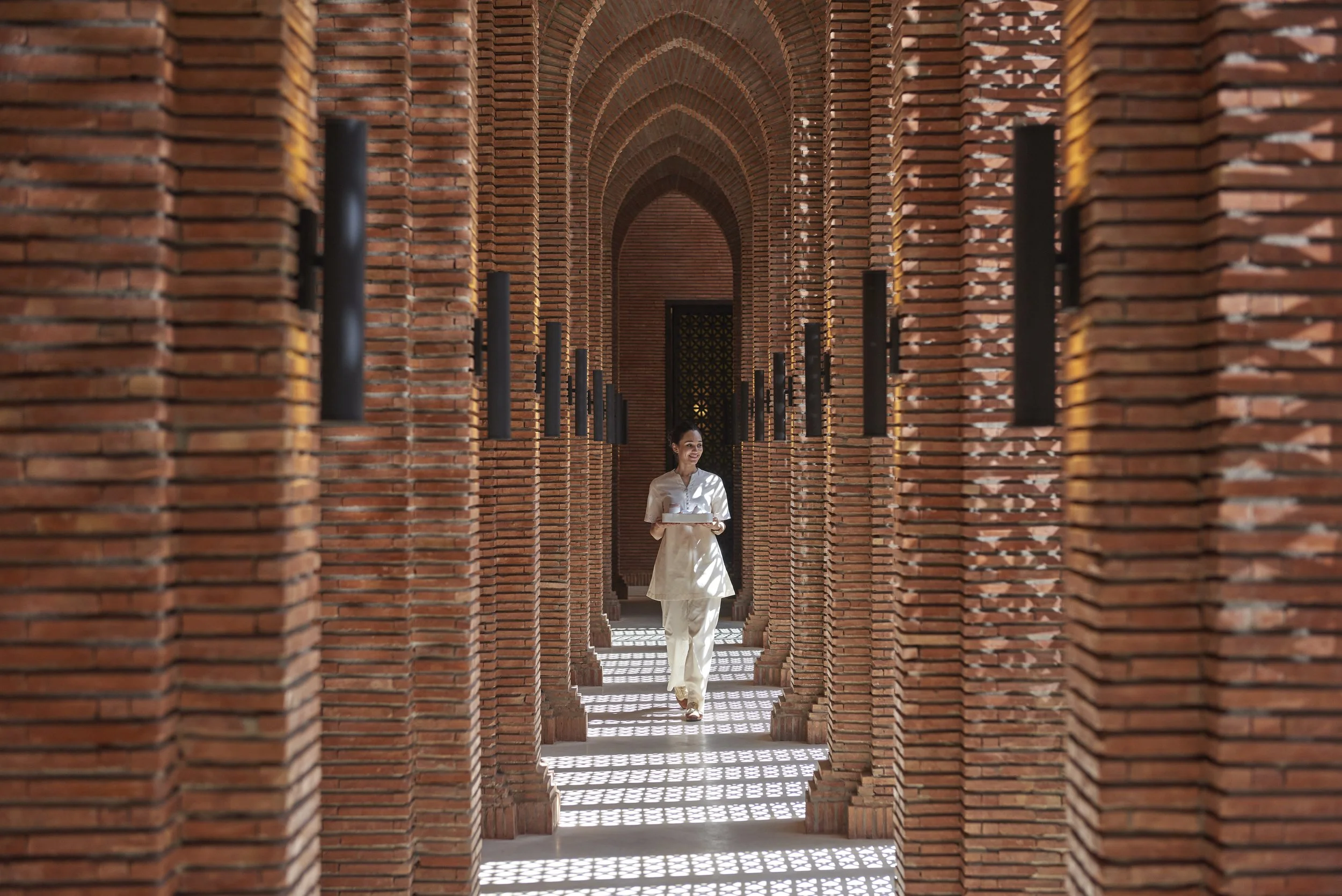

The Last Great Hoteliers
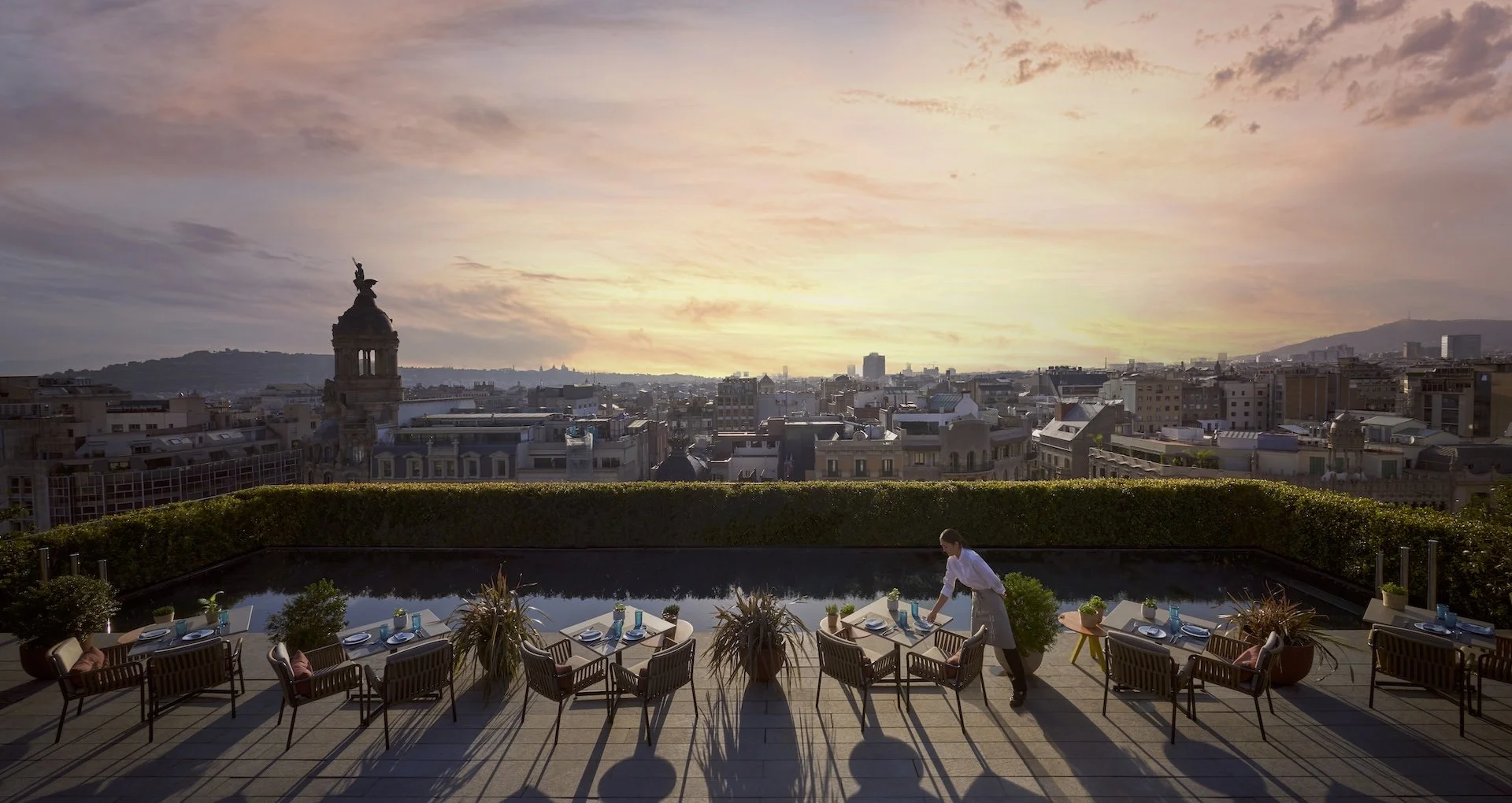
Why the hotels we remember are never really about the hotels.
Think back to the journeys that have stayed with you.
Chances are, you won't remember the room number, the size of the bathroom or even what was on the breakfast buffet. Memory has a curious way of editing out the practicalities. What it preserves are the moments that carried emotion.
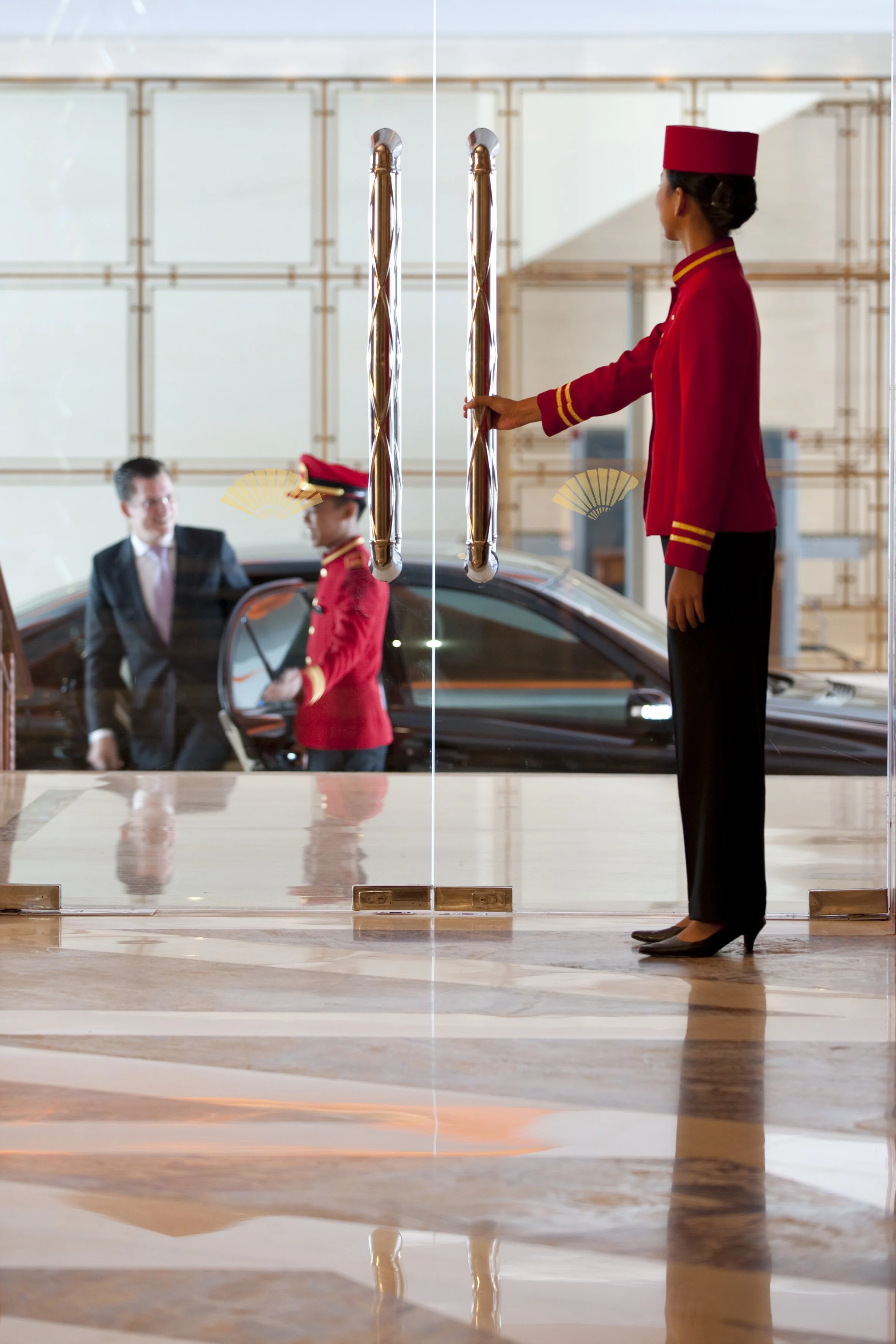
The receptionist who sensed you were exhausted after a long journey and quietly arranged an early check-in without being asked. The concierge who pointed you towards a hidden neighbourhood café instead of the obvious tourist attraction, where you ended up spending every morning. The waiter who recognised that a celebration deserved to unfold naturally, knowing exactly when to engage and when to quietly step away.
Years later, those are the details that remain. Not because they were extravagant, but because they made you feel seen. We often think we remember places. In truth, we remember how those places held our lives for a brief moment in time. A proposal on a terrace overlooking a city skyline. Three generations gathered around a breakfast table with nowhere else they needed to be. A conversation in a quiet corner of a lobby that somehow changed the course of someone's life.
The finest hotels don't create these moments. People do.
The very best hotels simply create the conditions for those moments to happen. In an age where almost everything can be automated, measured and optimised, genuine hospitality remains wonderfully human. It cannot be replicated by an app, accelerated by artificial intelligence or reduced to a checklist. It relies on instinct, empathy and something increasingly rare: paying complete attention to another person. Perhaps that is why it feels so special.
There was a time when becoming a hotelier was considered a vocation rather than simply a profession. It was a craft, learned patiently over decades. Experienced concierges passed their knowledge to younger colleagues. Restaurant managers taught the importance of reading a room before reading an order. Housekeepers understood that care was found in the smallest details, often the ones guests would never consciously notice. Like every great craft, it was never just about technique.
It was about judgement. The ability to understand people.

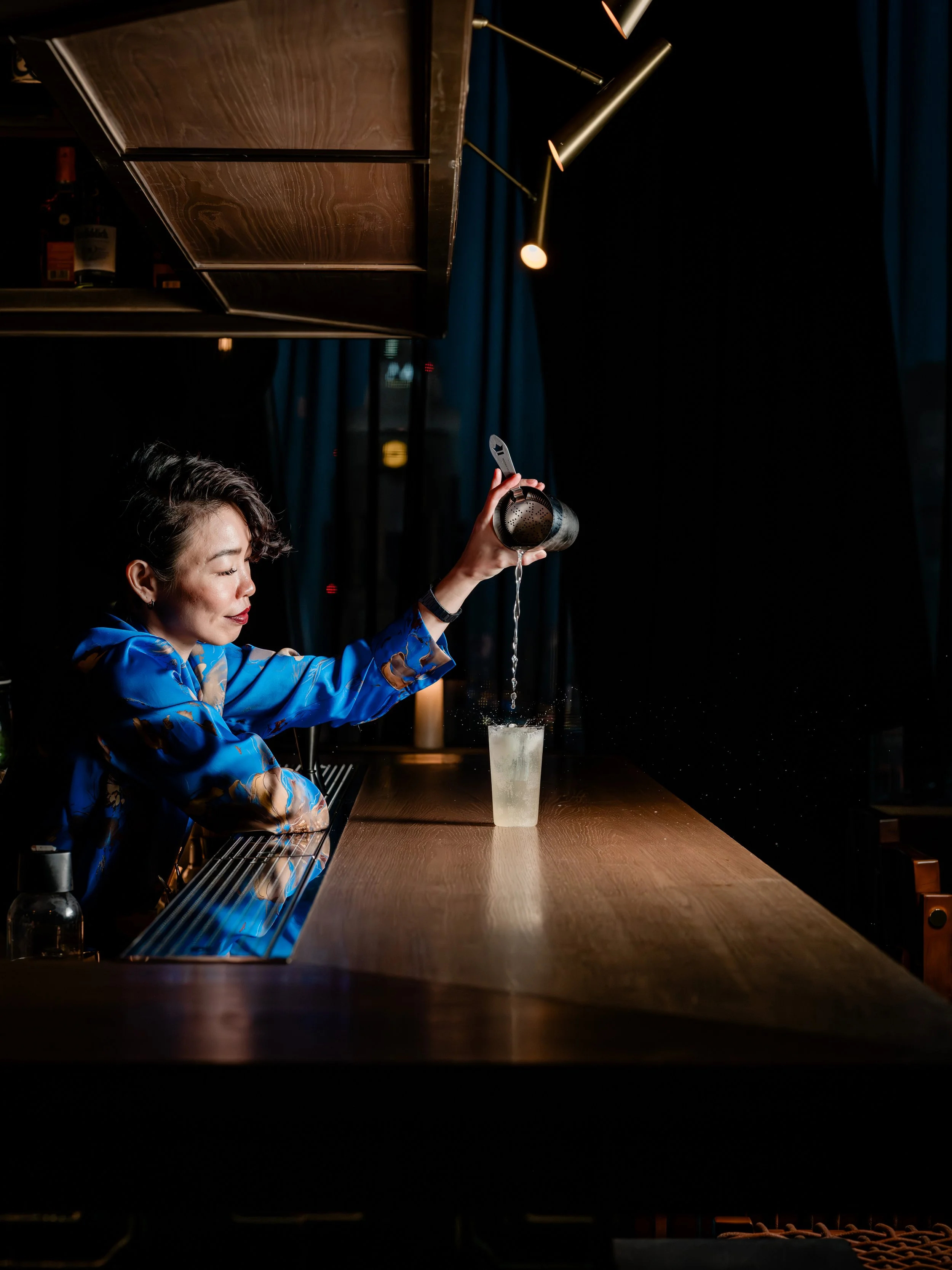
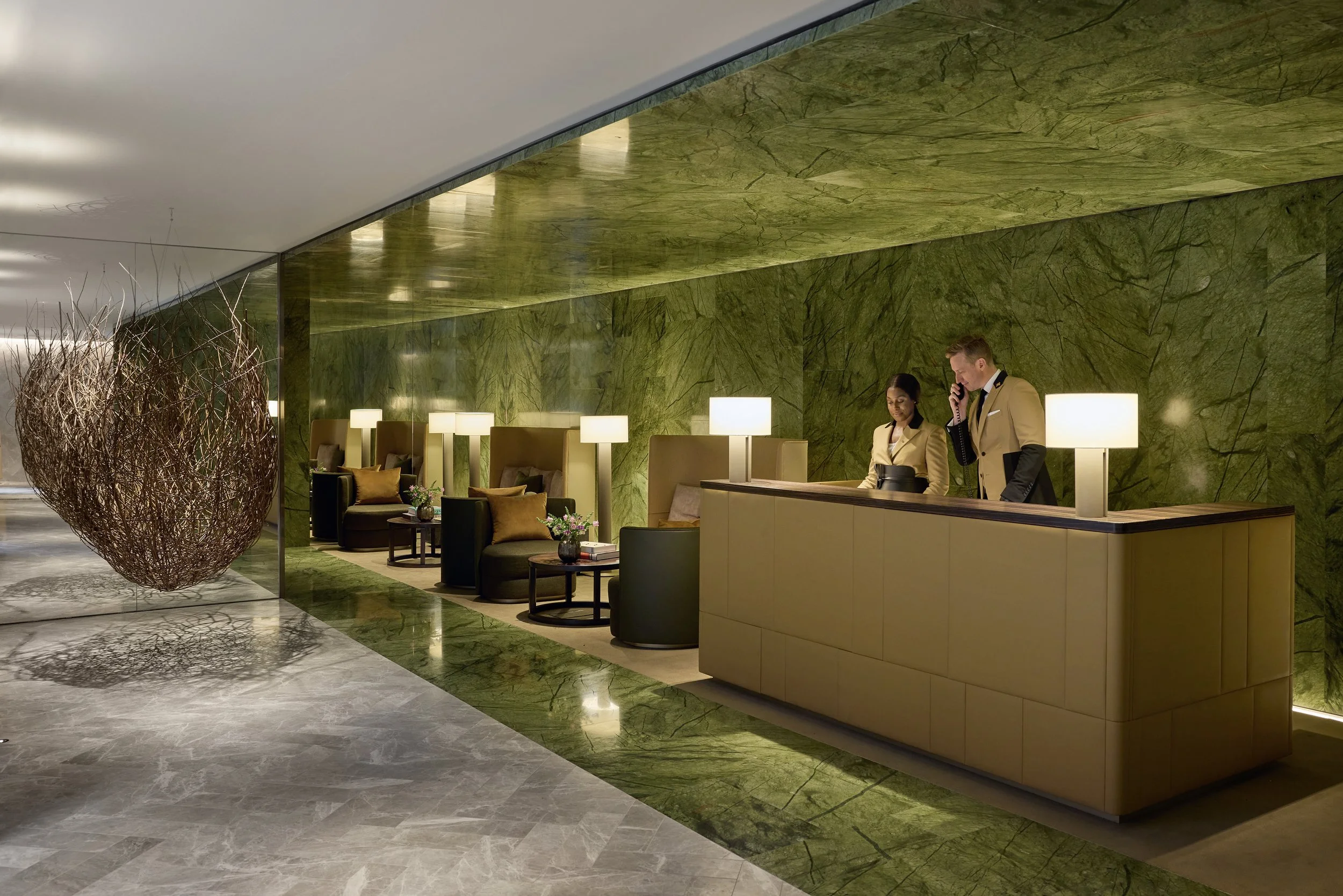
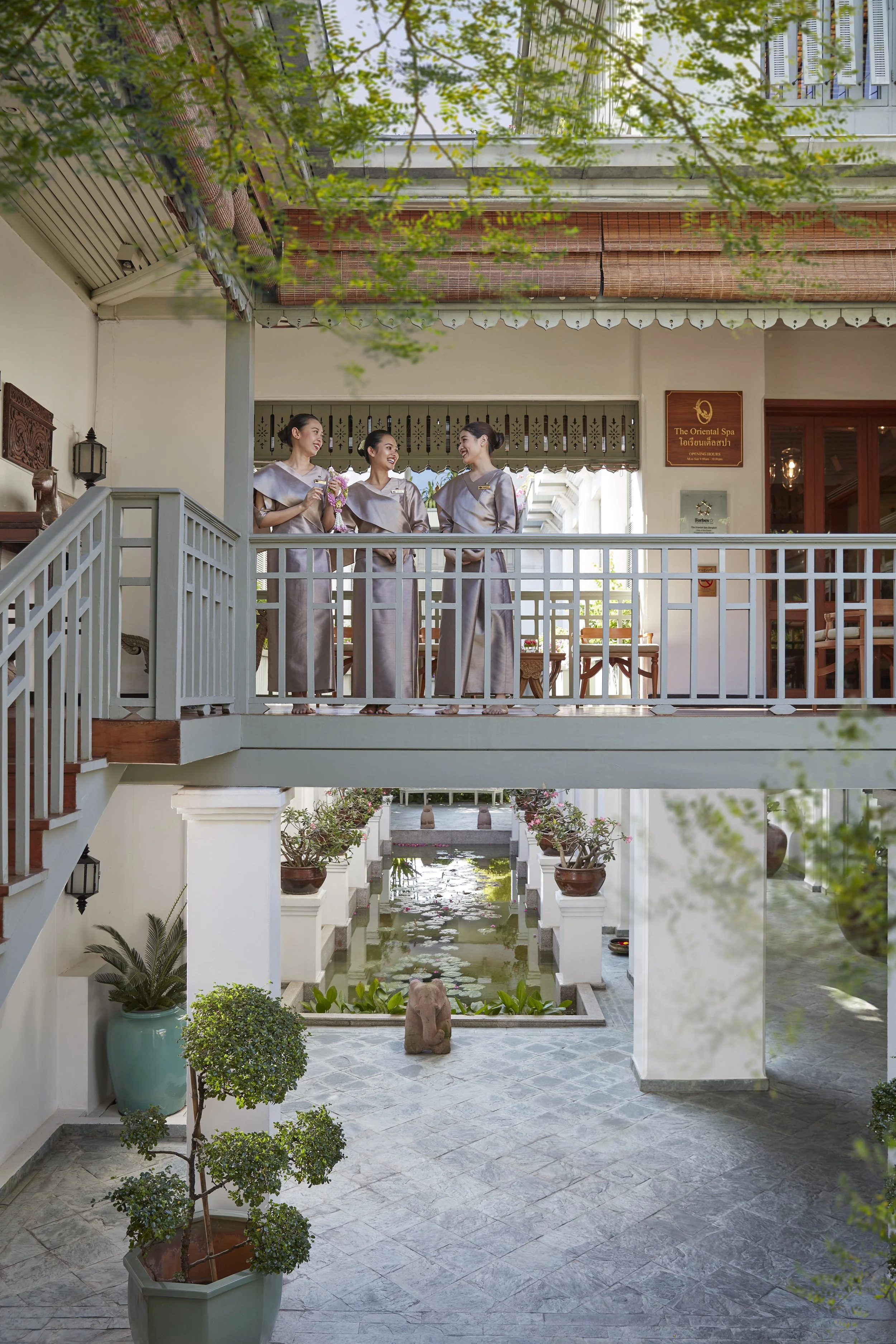
Knowing when conversation is welcome. Knowing when silence is kinder. Recognising whether a guest has arrived eager to discover a destination or simply in need of a quiet evening after an exhausting week. These are not skills taught in manuals. They are developed through curiosity, emotional intelligence and genuine care for others. The finest hospitality is almost invisible. Like a beautifully conducted orchestra, you rarely notice the individual performers. You simply experience the harmony. Everything feels effortless. Help appears before inconvenience becomes frustration. Challenges are resolved before they become stories. Every interaction feels natural rather than rehearsed. When hospitality reaches its highest level, it almost disappears. What remains is simply the feeling that everything unfolded exactly as it should have.
Great hospitality isn't manufactured. It is crafted.
A master watchmaker spends years learning patience before precision. A celebrated chef learns discipline long before creativity. A conductor studies people as much as music. The same is true of the finest hoteliers. Their expertise isn't measured by how many guests they welcome through their doors. It is measured by how many people leave believing they have been genuinely cared for. That difference matters.
Service is something that can be delivered. Care is something that is felt.
Today, hotels continue to invest in remarkable architecture, pioneering wellness experiences and ever more sophisticated technology. They should. Innovation has transformed the way we travel and removed many of the small frustrations that once accompanied every journey. Yet technology, however impressive, has never comforted an anxious traveller after a delayed flight. It has never sensed that someone would appreciate a quiet table by the window rather than the centre of the room. It has never recognised that a guest celebrating a milestone may value discretion more than ceremony.
Technology creates convenience. People create connection.
Perhaps that has quietly become the rarest luxury of all. Not exclusivity. Not extravagance. Simply having someone's undivided attention. In an increasingly distracted world, there is something profoundly reassuring about being looked after by people who are fully present. People who notice without intruding. Who remember without making a performance of it. Who understand that the smallest gestures often leave the deepest impression. There are very few hotel groups where this philosophy has remained so deeply rooted across continents and generations.
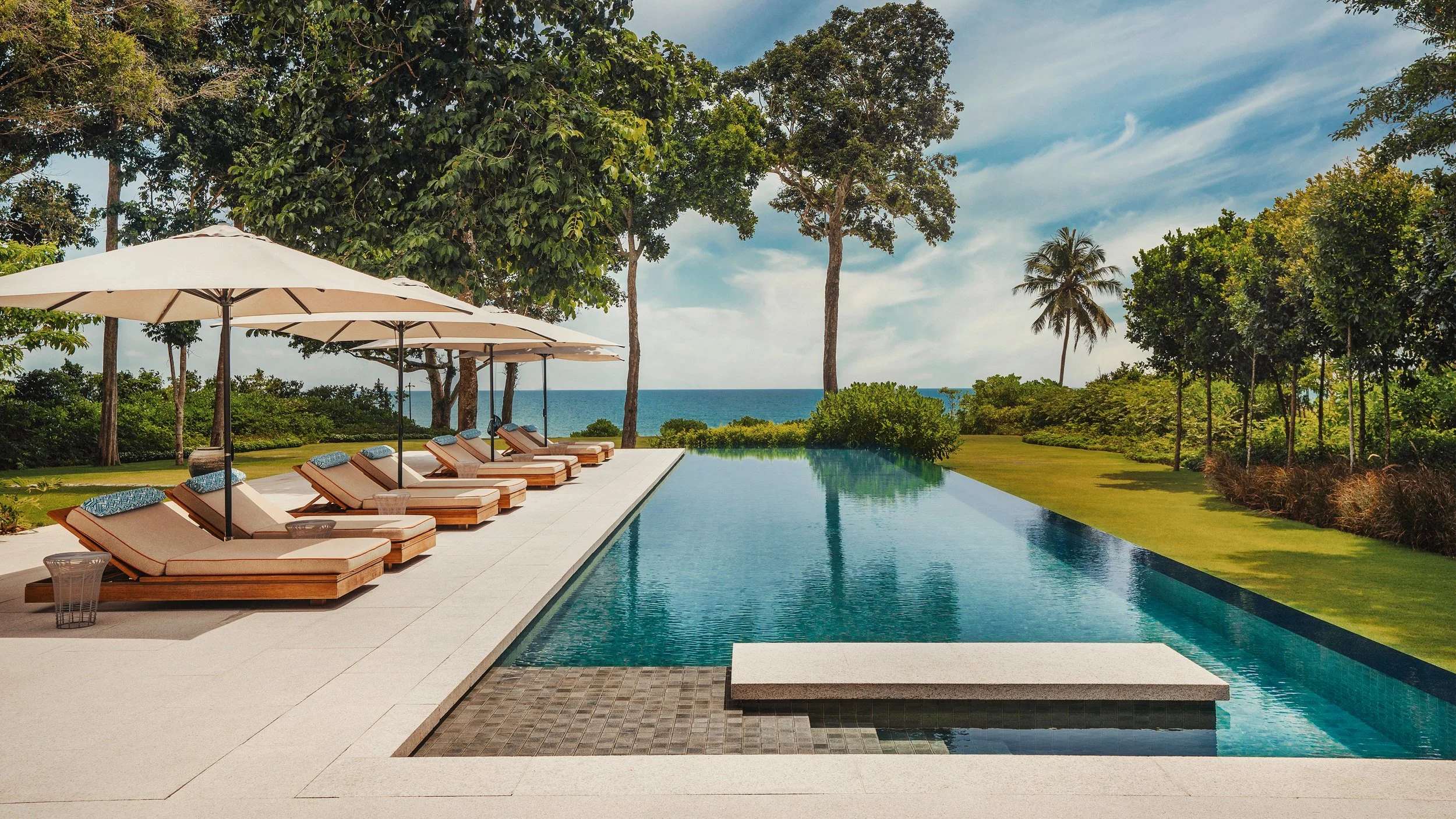
Mandarin Oriental is one of them. Whether watching the first light dance across the Chao Phraya River at Mandarin Oriental, Bangkok, arriving beneath the timeless elegance of Mandarin Oriental Hyde Park, London, or returning to the familiar harbour front of Mandarin Oriental, Hong Kong, the settings may differ, but the feeling remains remarkably familiar.
Each property reflects the spirit of its destination rather than following a rigid formula. The architecture changes. The surroundings evolve. The rhythm of each city shapes every experience. Yet beneath those differences lies something unmistakably familiar.
Not uniformity. Culture.
A quiet confidence that hospitality is measured one guest at a time. It is evident in the doorman whose welcome feels sincere rather than ceremonial. In the concierge who delights in sharing the city's hidden corners rather than simply ticking off famous landmarks. In the restaurant team who instinctively understands when conversation adds to an evening and when silence is the greatest courtesy.
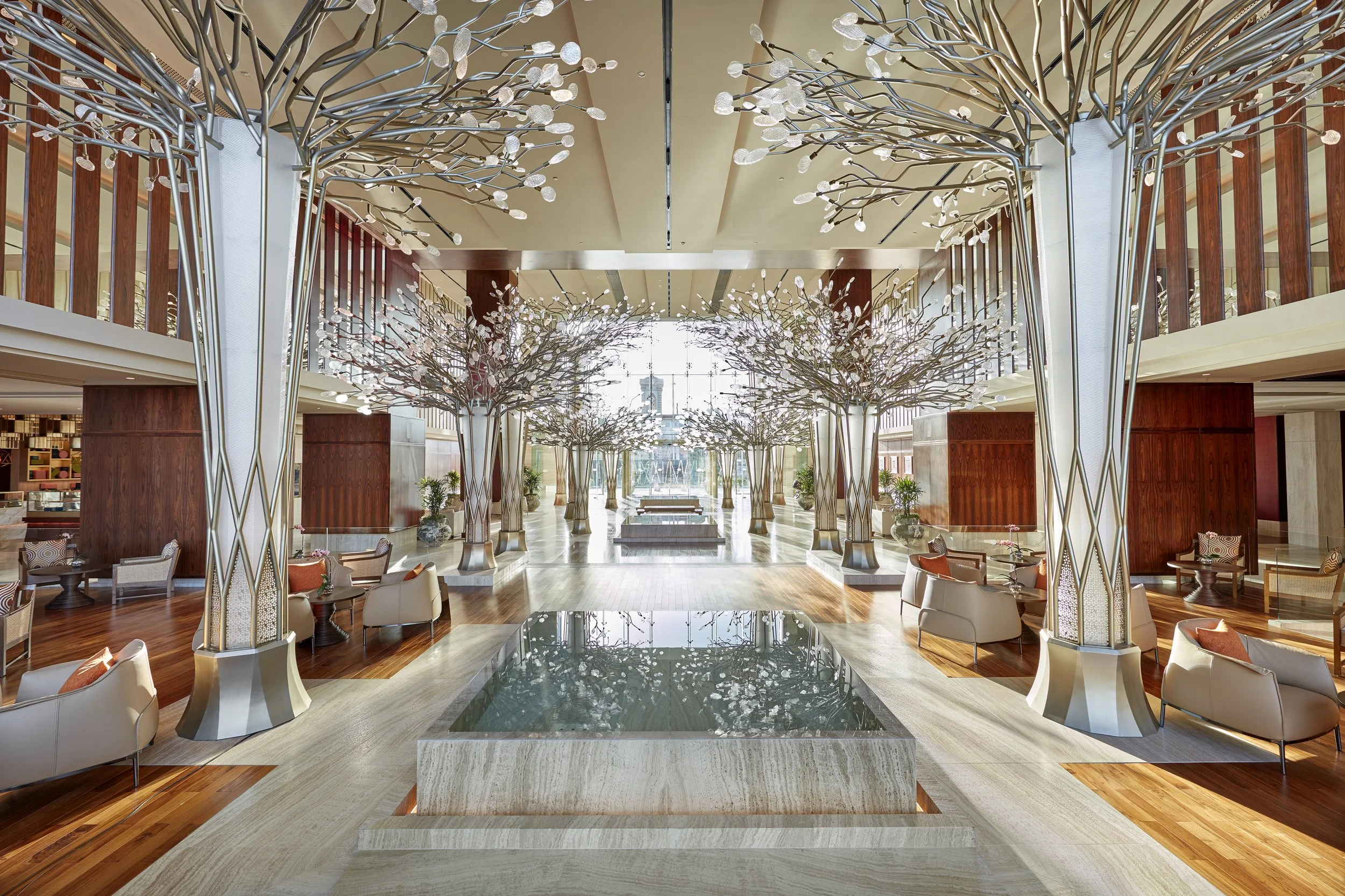
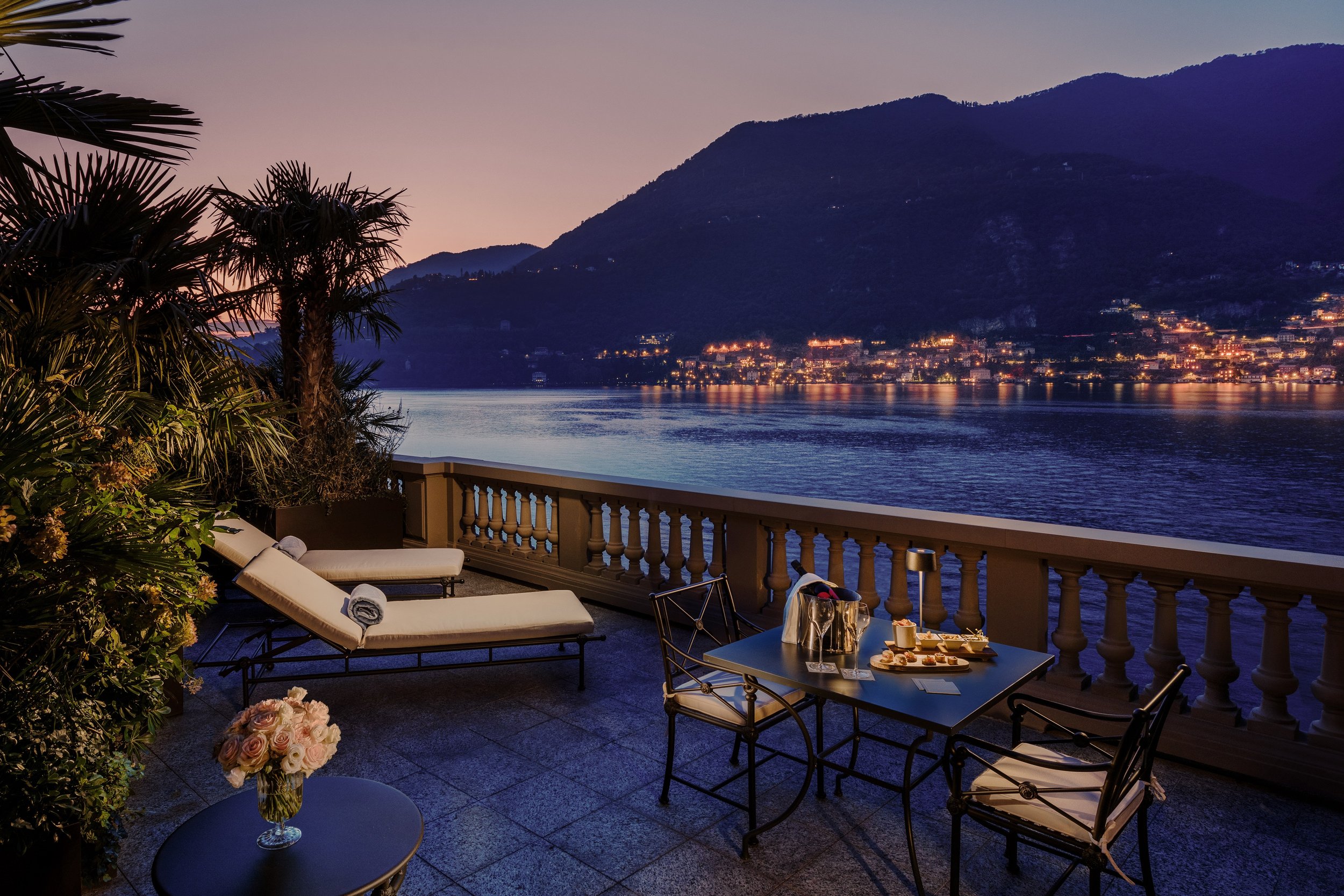
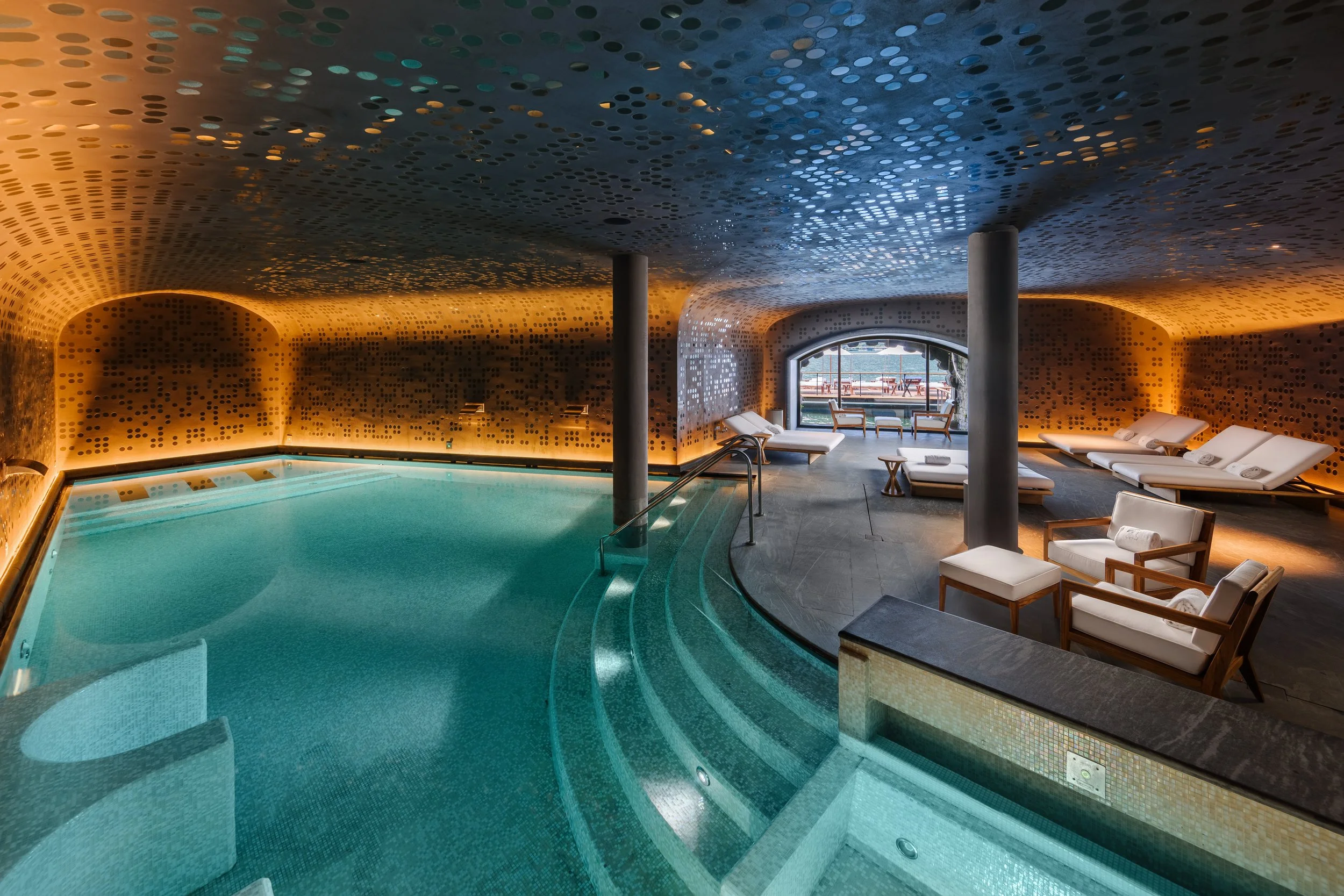
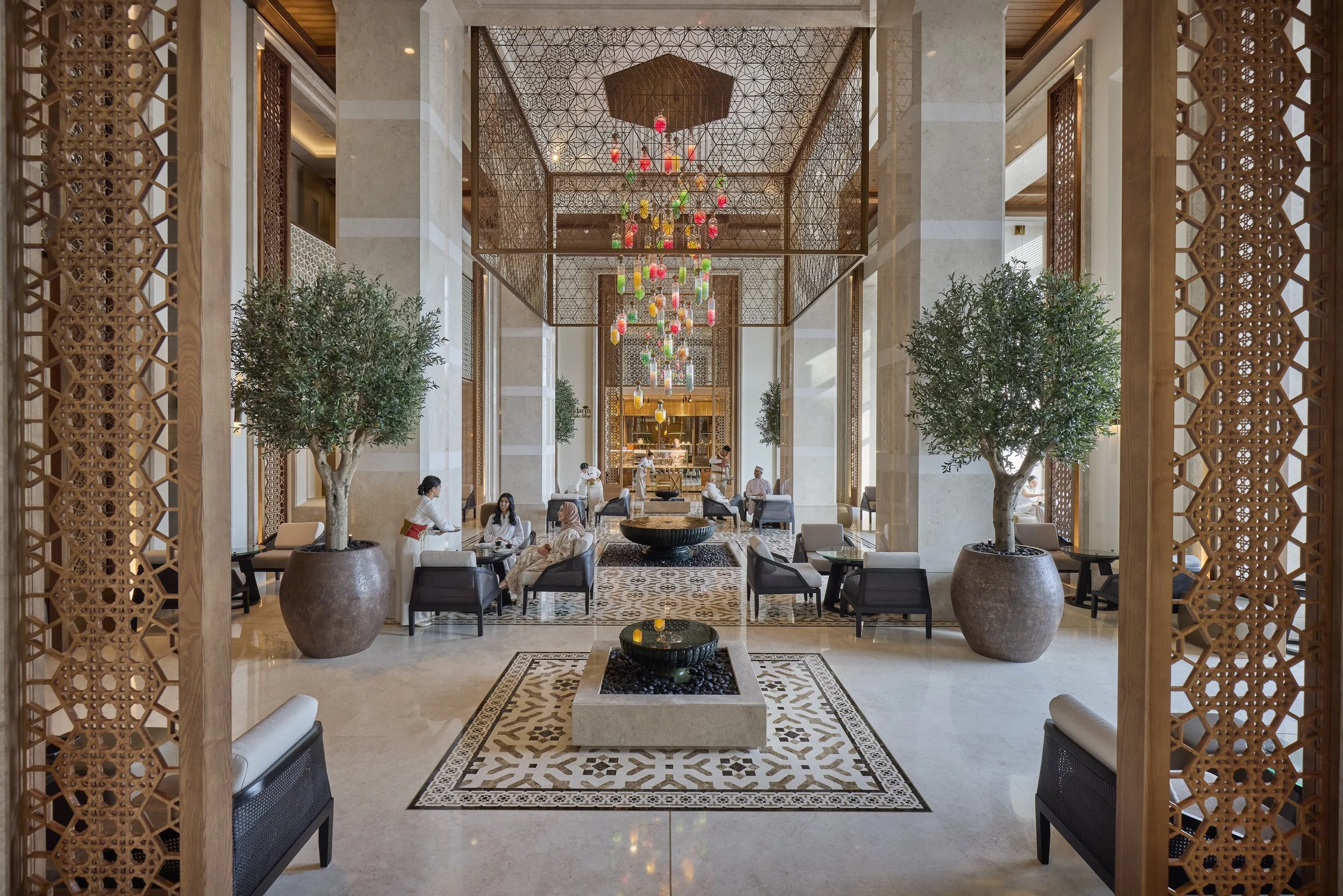
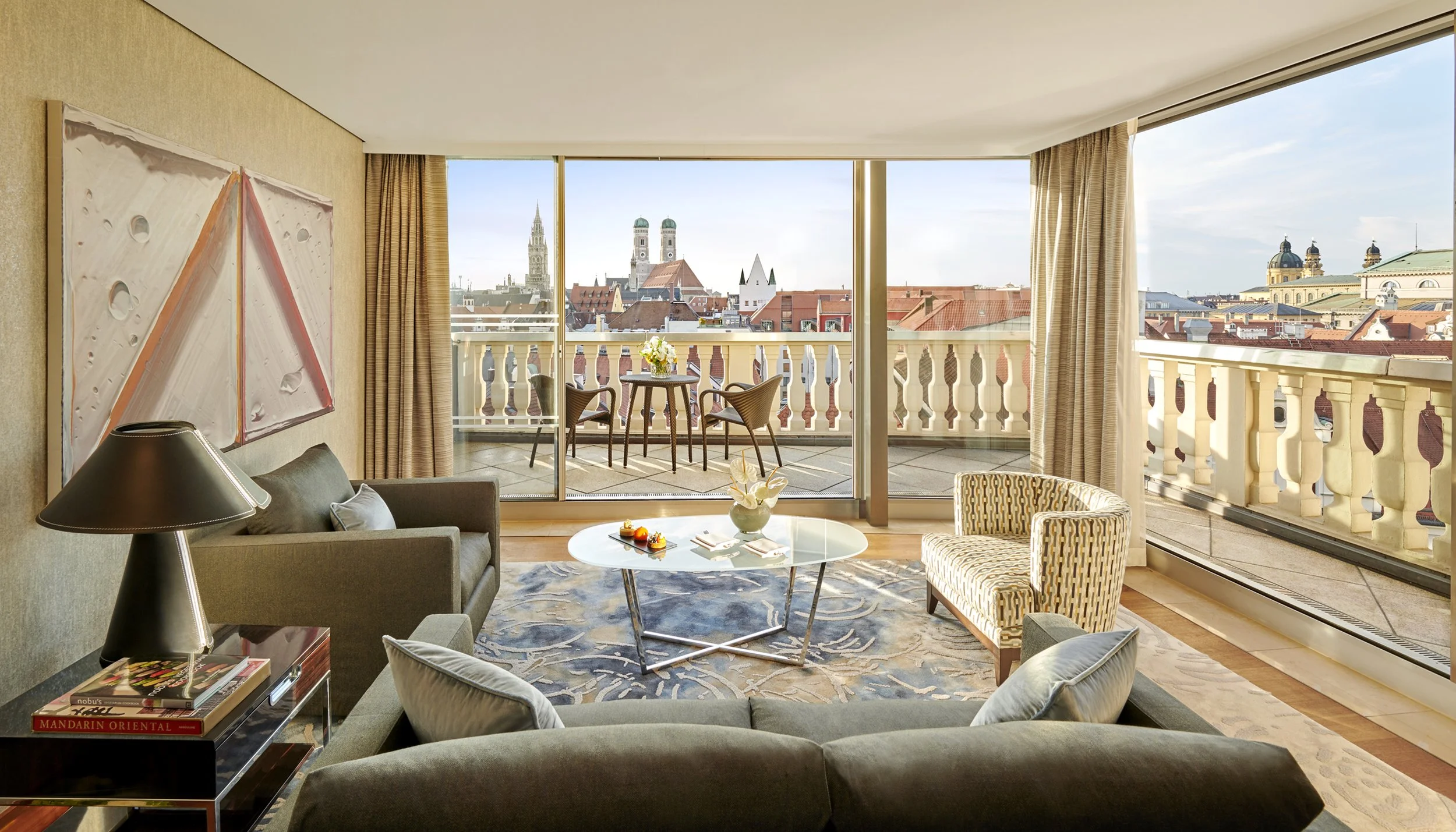
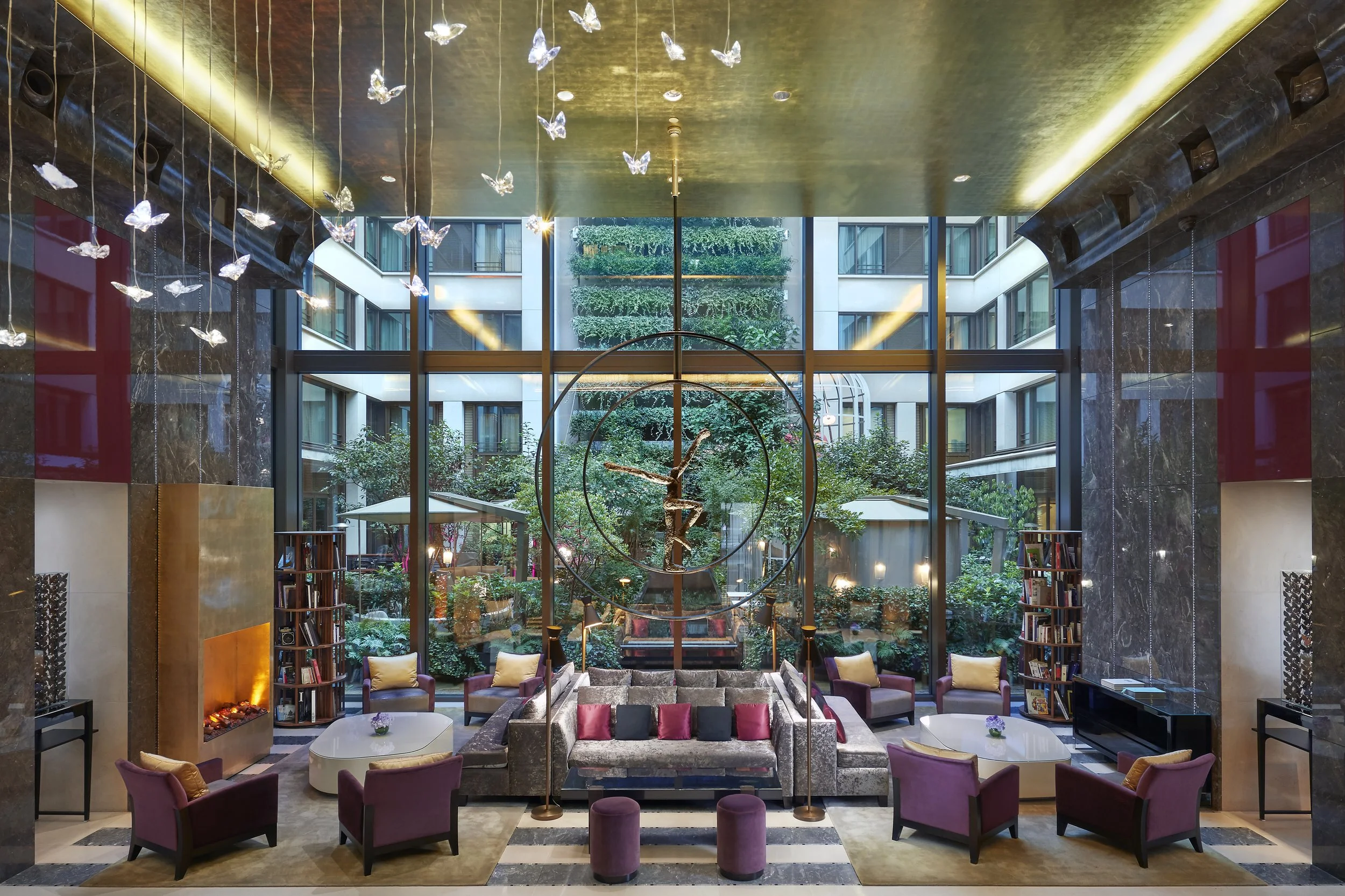
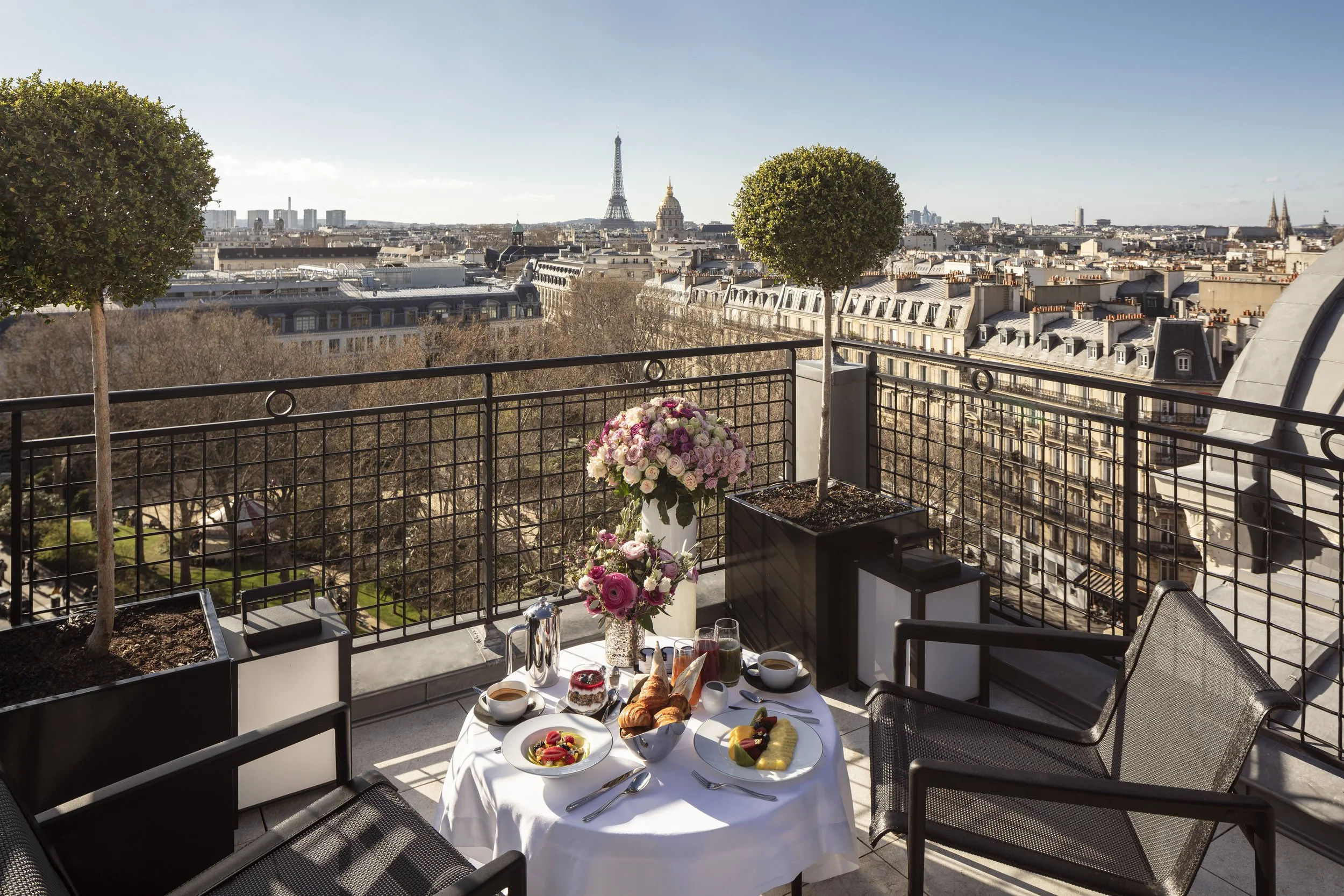
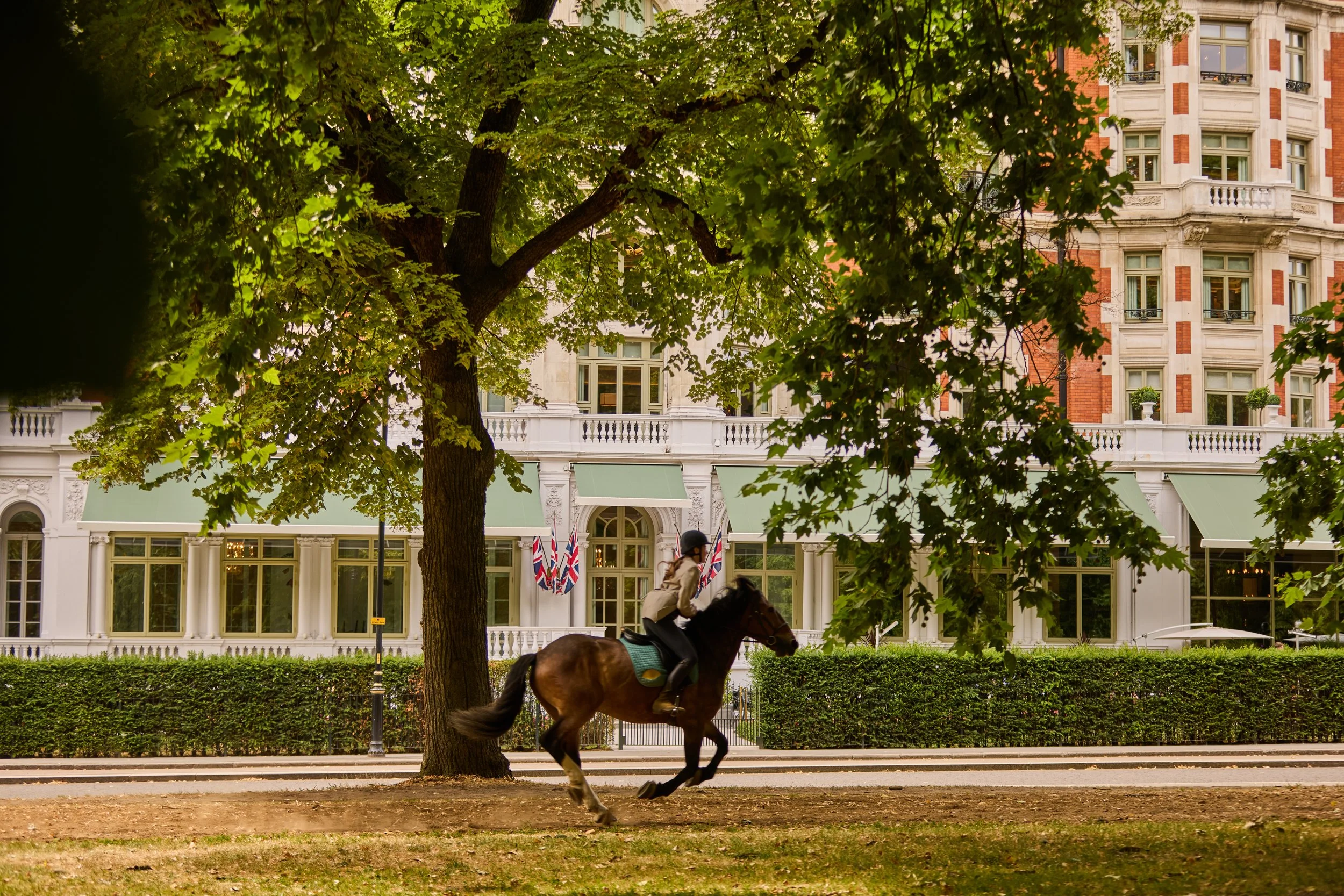
None of these moments appear in glossy brochures. They are not features that can be photographed or listed in a room description. Yet they become the stories guests tell for years afterwards. And perhaps that is why certain hotels never simply become places we have stayed. They become part of our own story. Perhaps that is the true measure of a remarkable hotel. Not the awards displayed in the lobby. Not the accolades collected over the years. Not even the beauty of the building itself. But the number of lives that have quietly passed through its doors and left feeling just a little richer for the experience. Long after the flowers have changed, the menus have evolved and the rooms have been redesigned, what remains are the memories created by people who chose hospitality not simply as a career, but as a calling. Years from now, we may struggle to remember the room category we booked or the artwork that hung on the walls. But we will remember how we felt. That feeling cannot be renovated, t cannot be automated, t cannot be manufactured. It is earned, one thoughtful gesture at a time.
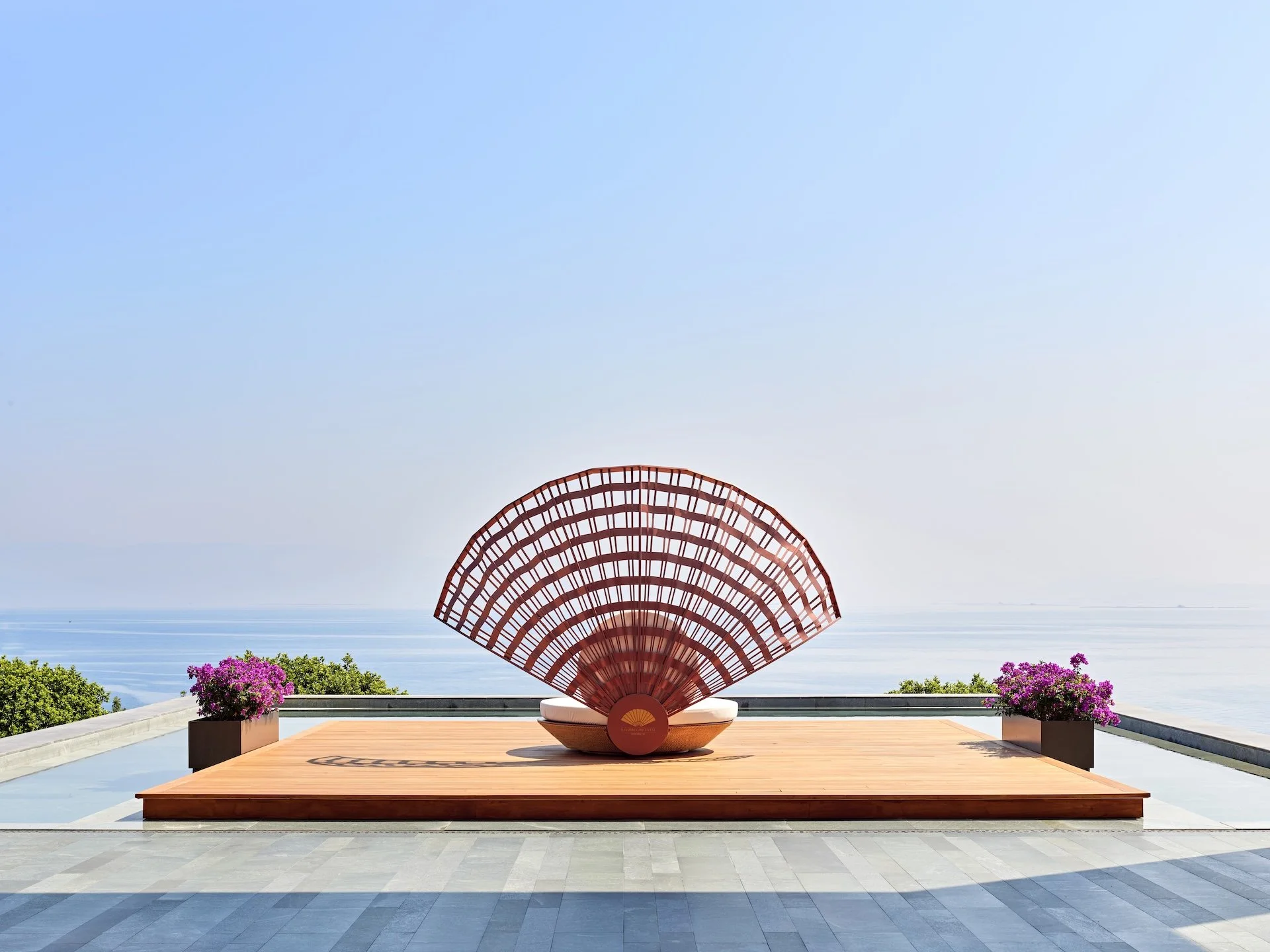
There is a reason Mandarin Oriental's symbol has always been a fan. Around the world, the fan carries different meanings—grace, welcome, elegance and quiet refinement. Yet its simplest purpose is perhaps the most fitting. A fan creates comfort gently. It doesn't demand attention. It doesn't announce itself, its presence is felt rather than heard. The finest hospitality works in exactly the same way.
It isn't about grand gestures or carefully choreographed performances. It is about creating an atmosphere where people instinctively feel at ease, understood and genuinely cared for. That is not something that can be standardised.
It is a culture. It is a craft.
It is something that has to be lived every single day. Perhaps that is what defines the last great hoteliers. Not the buildings they work in, not the destinations they represent. But the quiet, lasting imprint they leave on the people fortunate enough to walk through their doors.
The Aspiration Group
At The Aspiration Group, we believe travel is measured not in miles travelled, but in moments remembered.
The hotels we recommend are never chosen simply because they are beautiful or celebrated. They are chosen because, time and again, they demonstrate that genuine hospitality is one of the few things that can never be automated, replicated or hurried.
After all, people rarely remember the room. They always remember how they were made to feel.