
A Roman palazzo returned to the city, and embraced by it.
Rome rewards patience. The city reveals itself slowly, through layers of history, light and lived-in beauty. Palazzo Talìa belongs firmly to this rhythm. Not a hotel that announces itself loudly, but one that has, in a relatively short time, settled into the city with assurance.
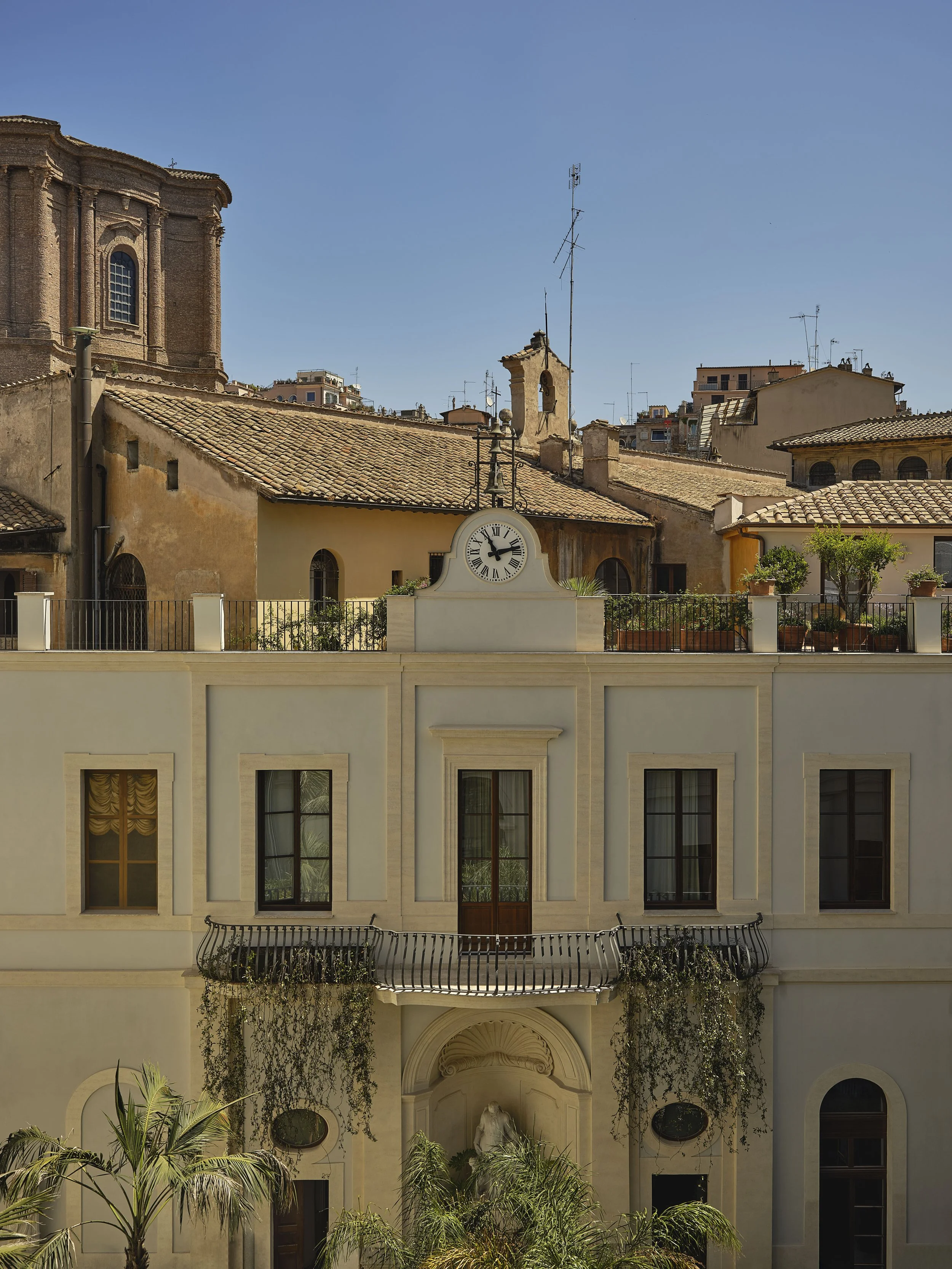
Just moments from Via del Corso, yet removed from its immediacy, Palazzo Talìa occupies a former 16th-century palazzo whose life has always been purposeful. Noble residence, institutional home, place of learning , this was never a purely decorative building. Its recent restoration respects that seriousness, allowing the palazzo to become once again a place of gathering, conversation and culture.
A building with memory
For centuries, Palazzo Talìa formed part of the Collegio Nazareno, an educational institution that shaped much of the building’s internal logic: generous communal rooms, formal circulation spaces and a certain architectural restraint. When the school closed, the palazzo entered a long period of quiet decline, its bones intact but its role uncertain.
The opportunity, when it came, was not simply to convert the building, but to decide how it should live again in modern Rome.
Ownership and vision
The Federici family’s approach to Palazzo Talìa has been notably deliberate. Rather than chasing scale or instant visibility, the intention was to create a small, characterful property that feels grounded in its place and sustainable in its appeal.
This philosophy guided every stage of the project: conservation before decoration, collaboration before branding, and a clear understanding that Rome does not need to be embellished, only interpreted with intelligence.
Restoration with confidence
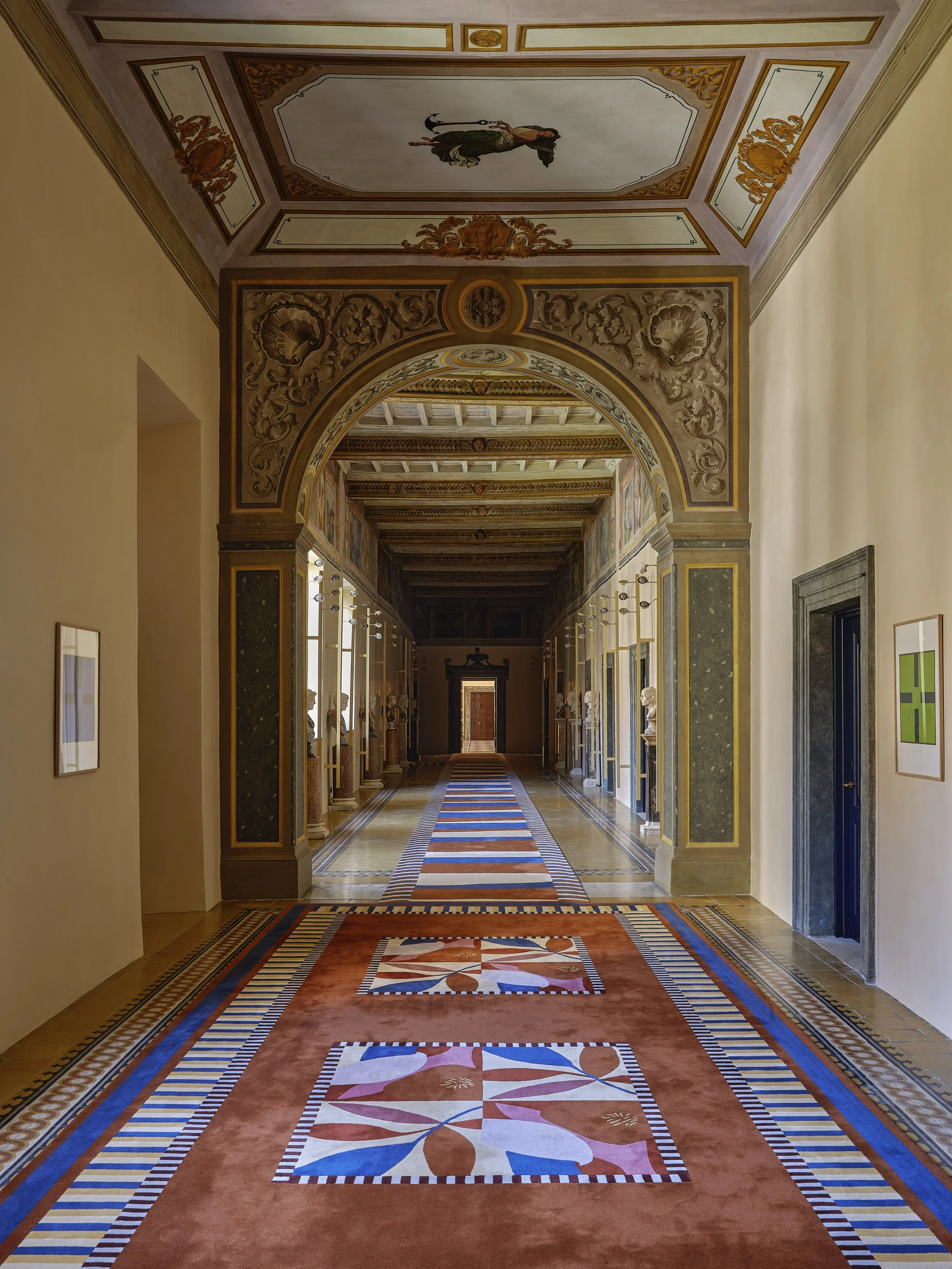
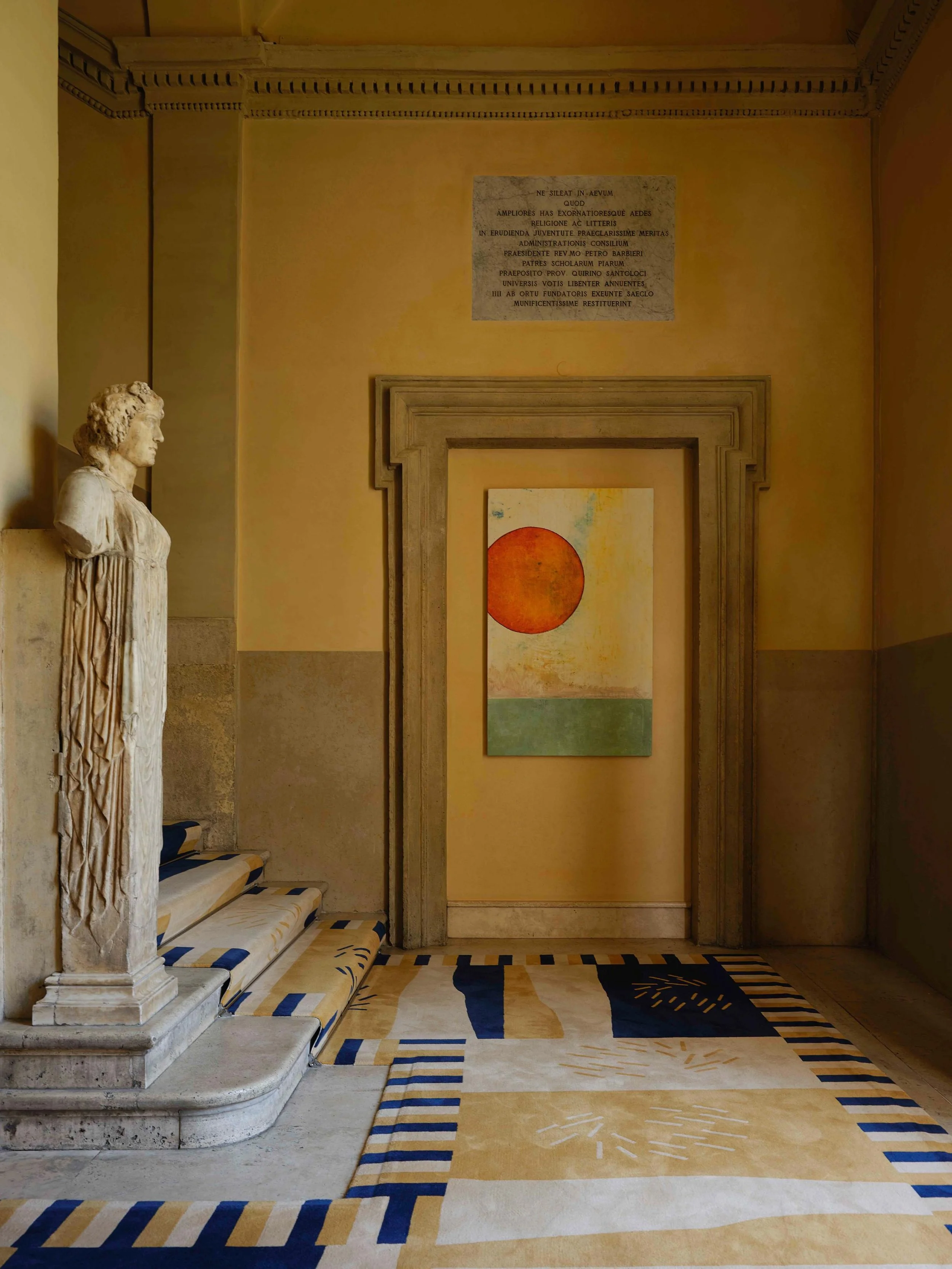
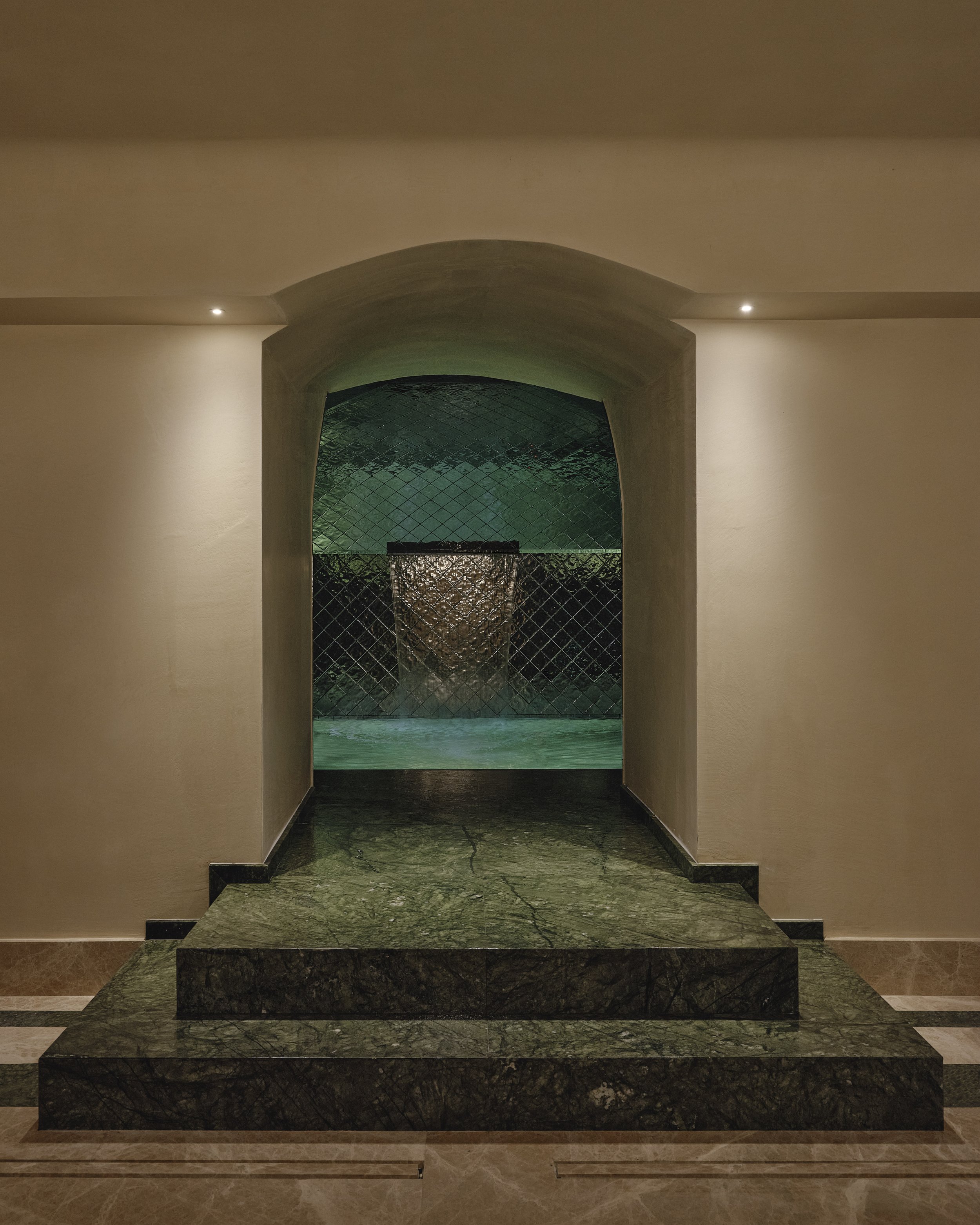
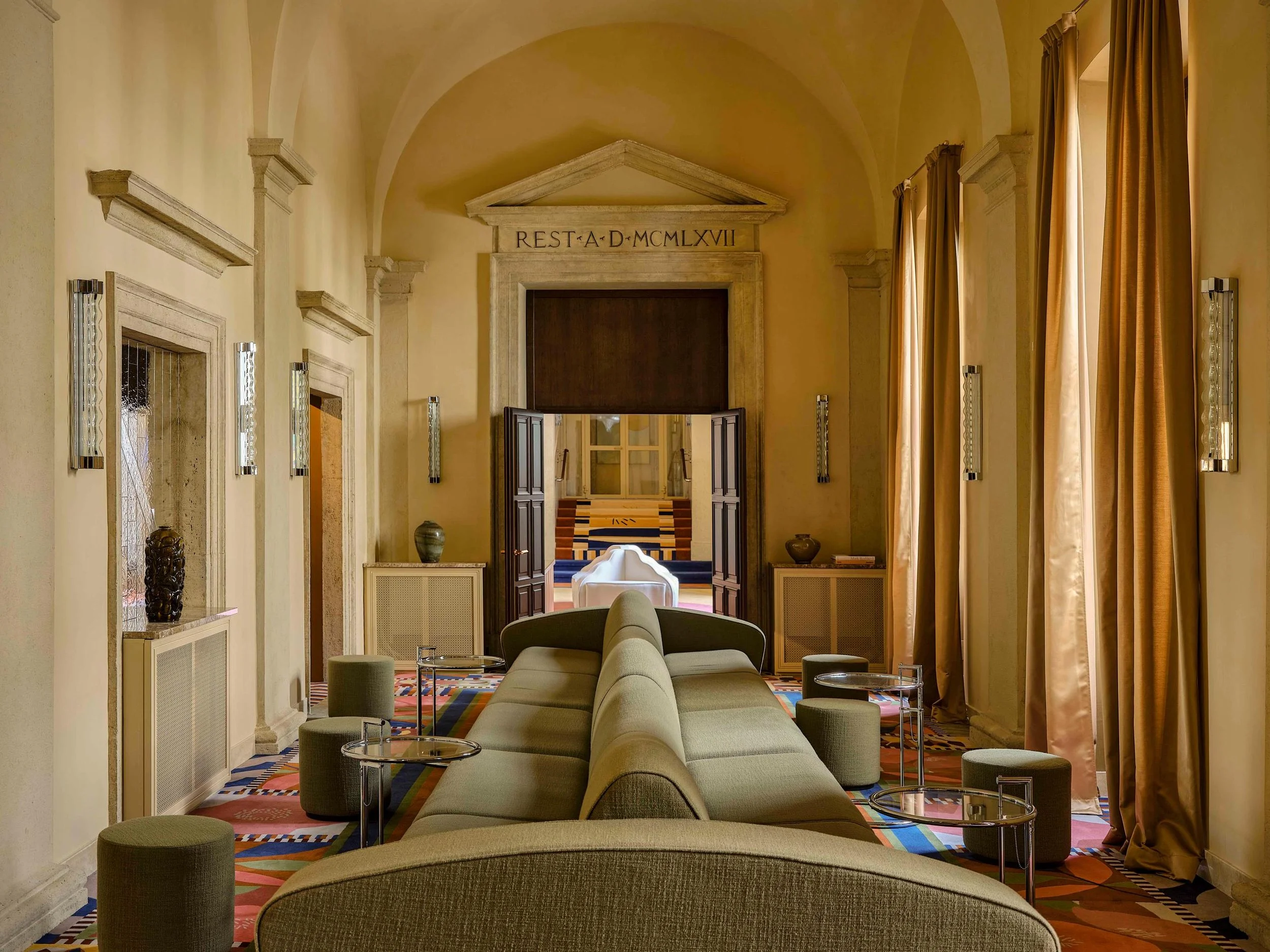
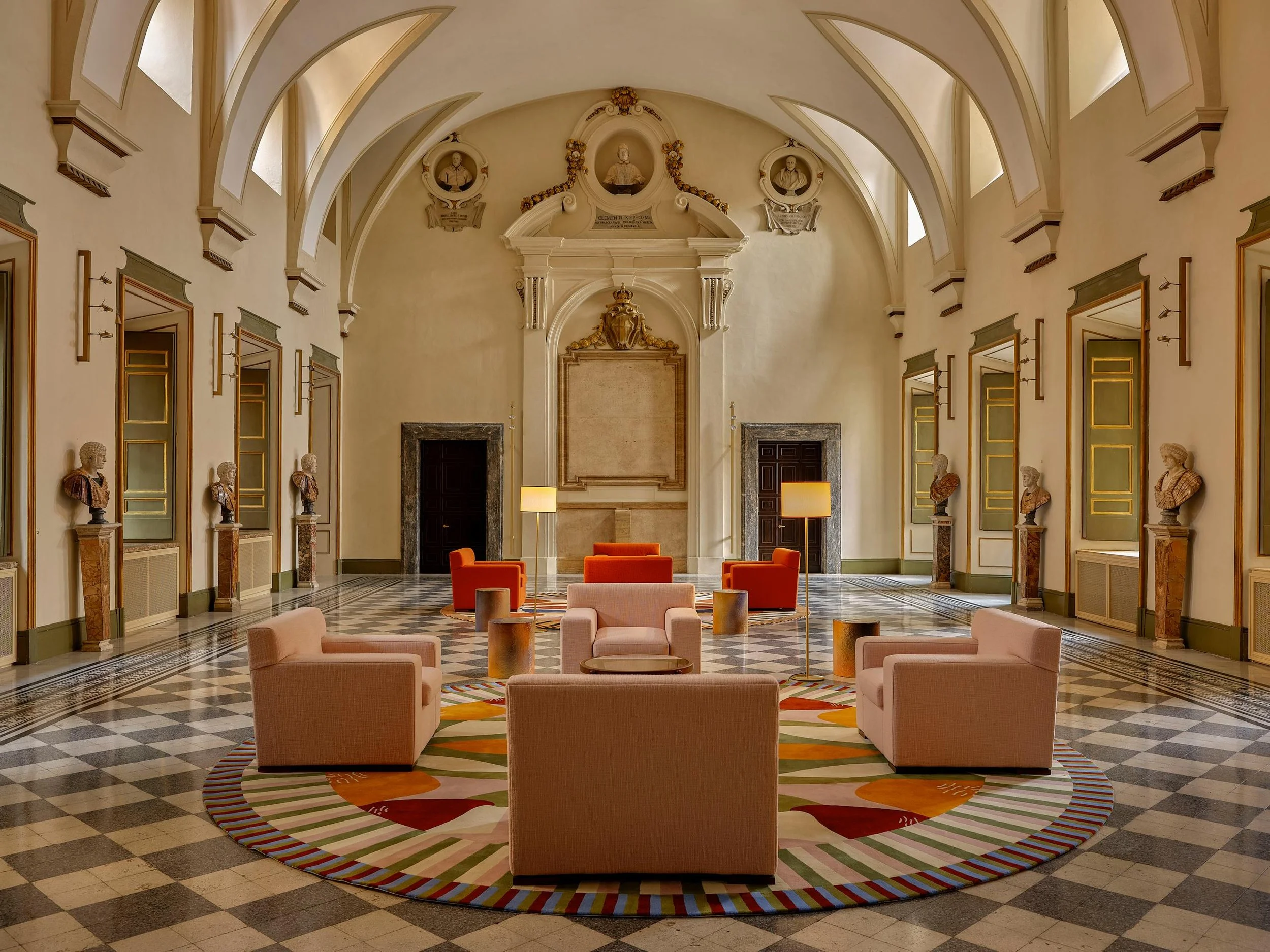
The renovation was extensive and exacting. Structural consolidation and conservation came first, ensuring that original ceilings, fresco remnants and architectural proportions were preserved wherever possible. This created a framework within which contemporary design could sit confidently, without competing for attention.
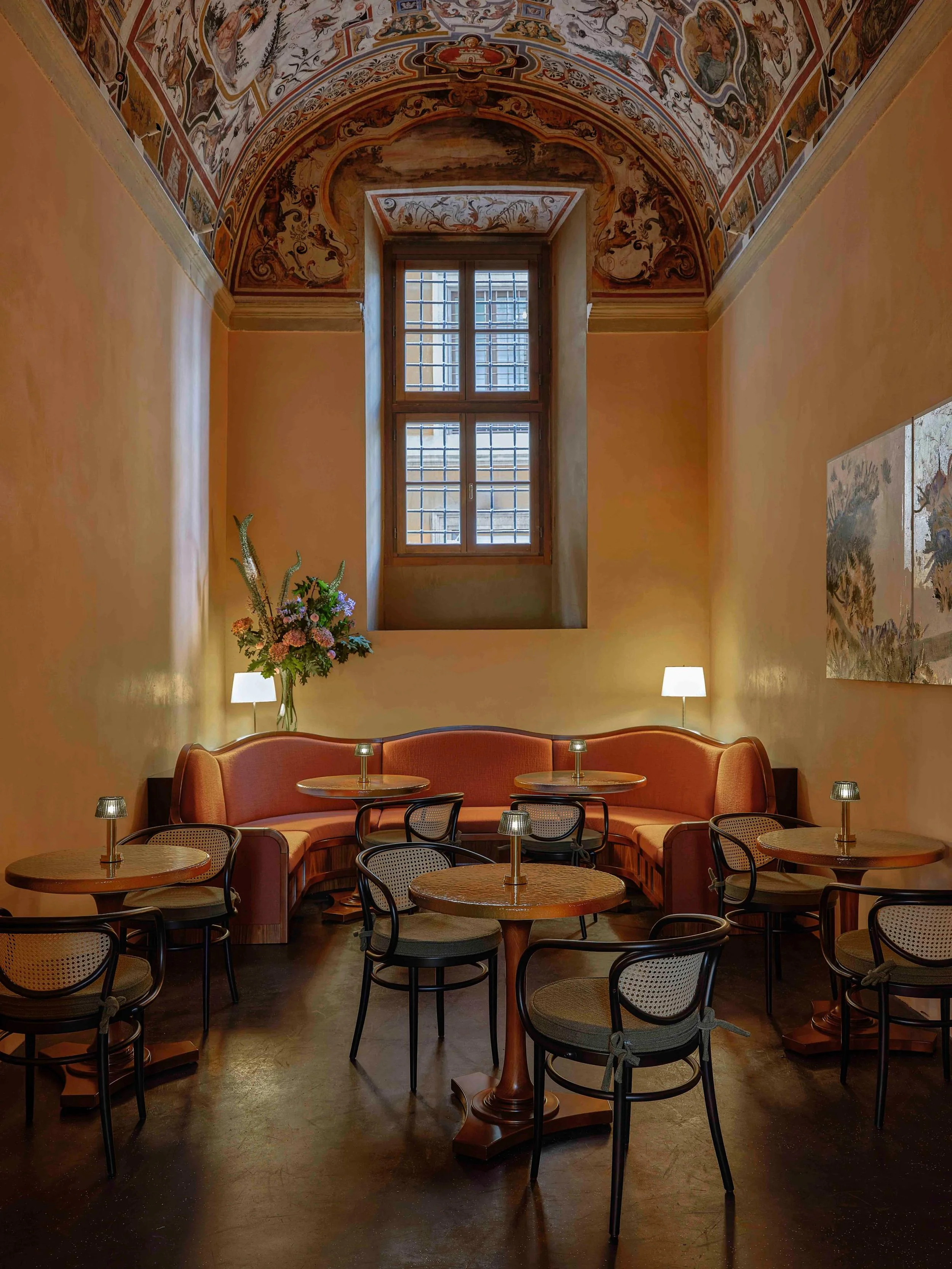
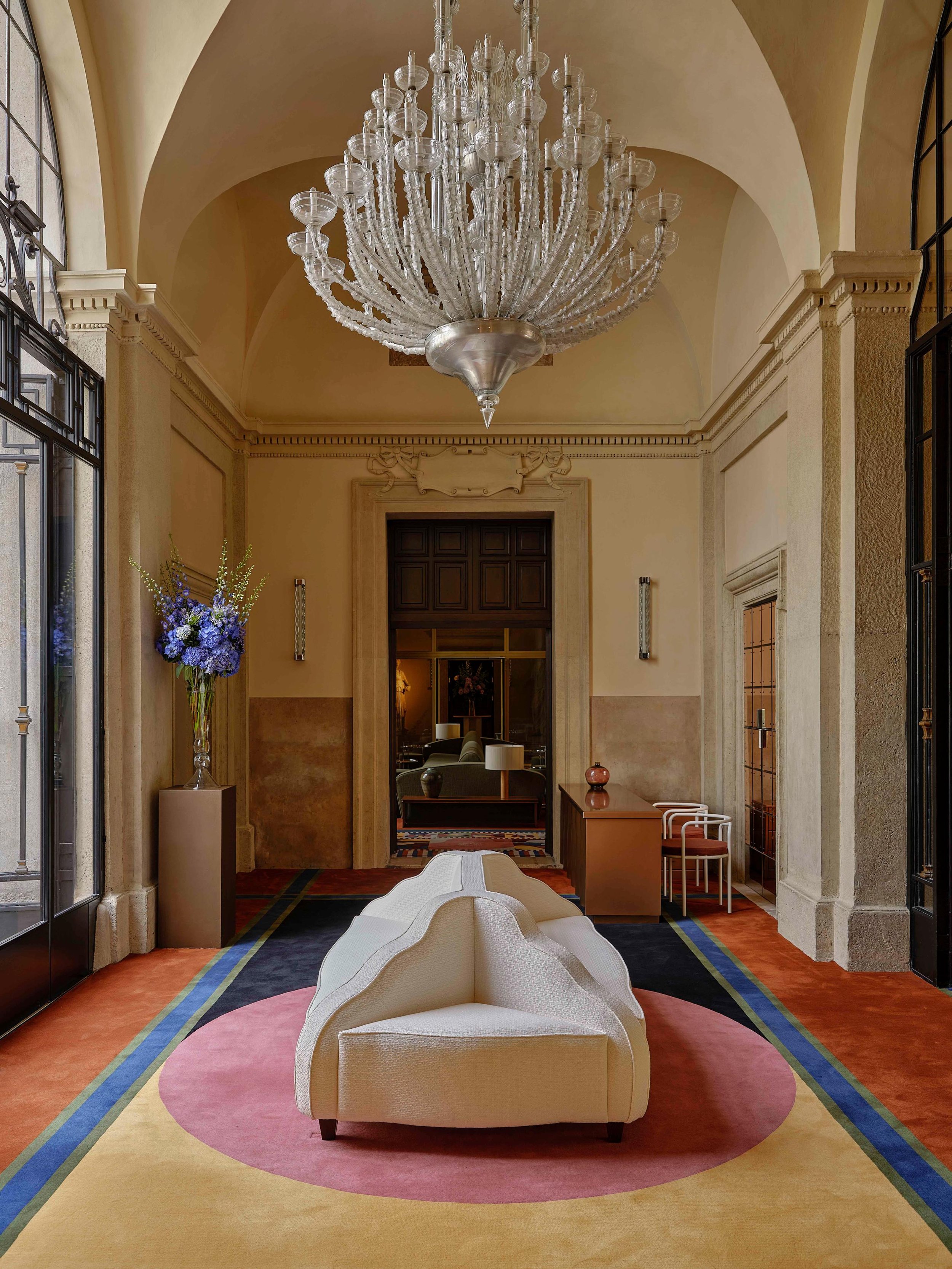
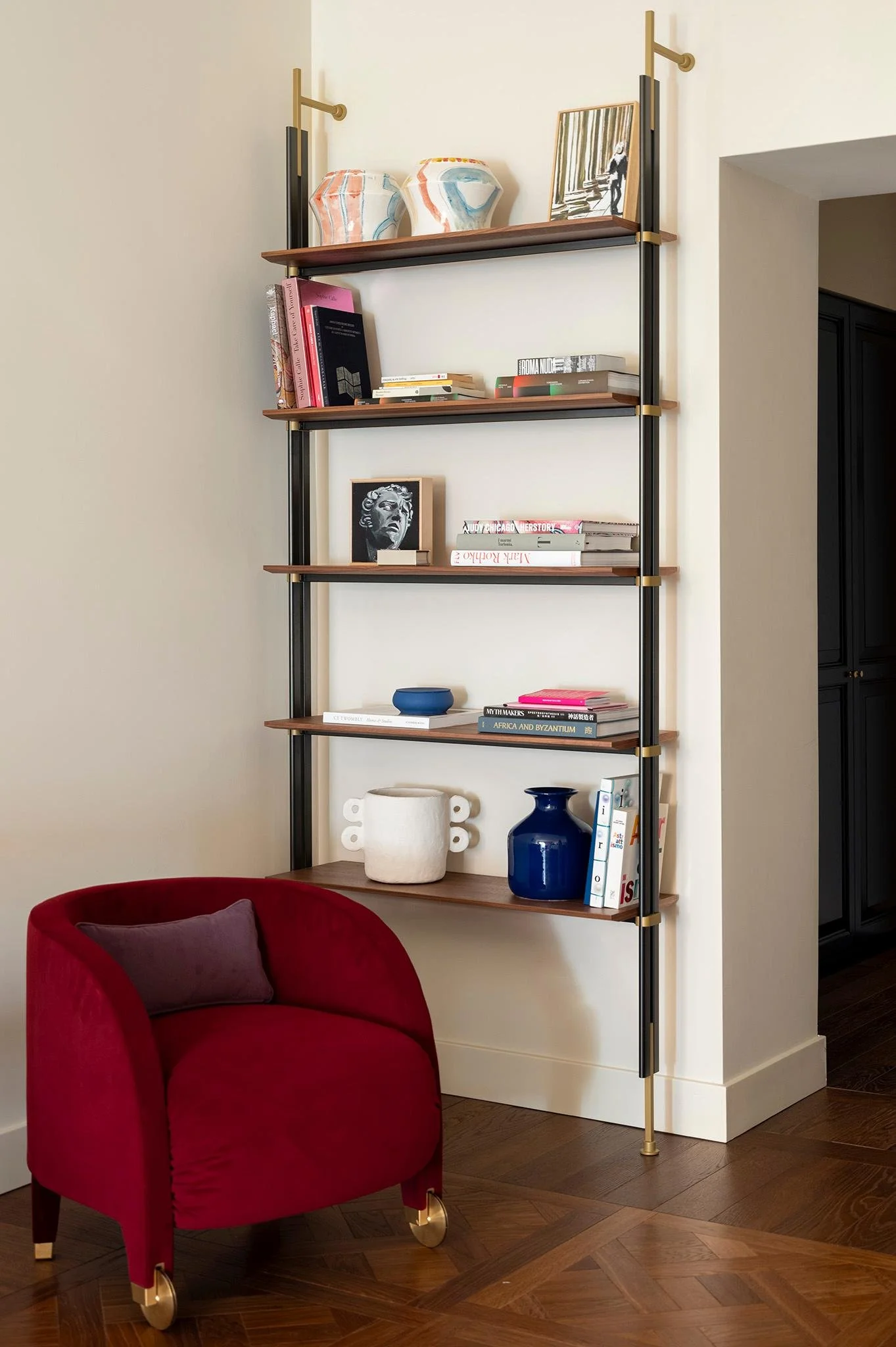
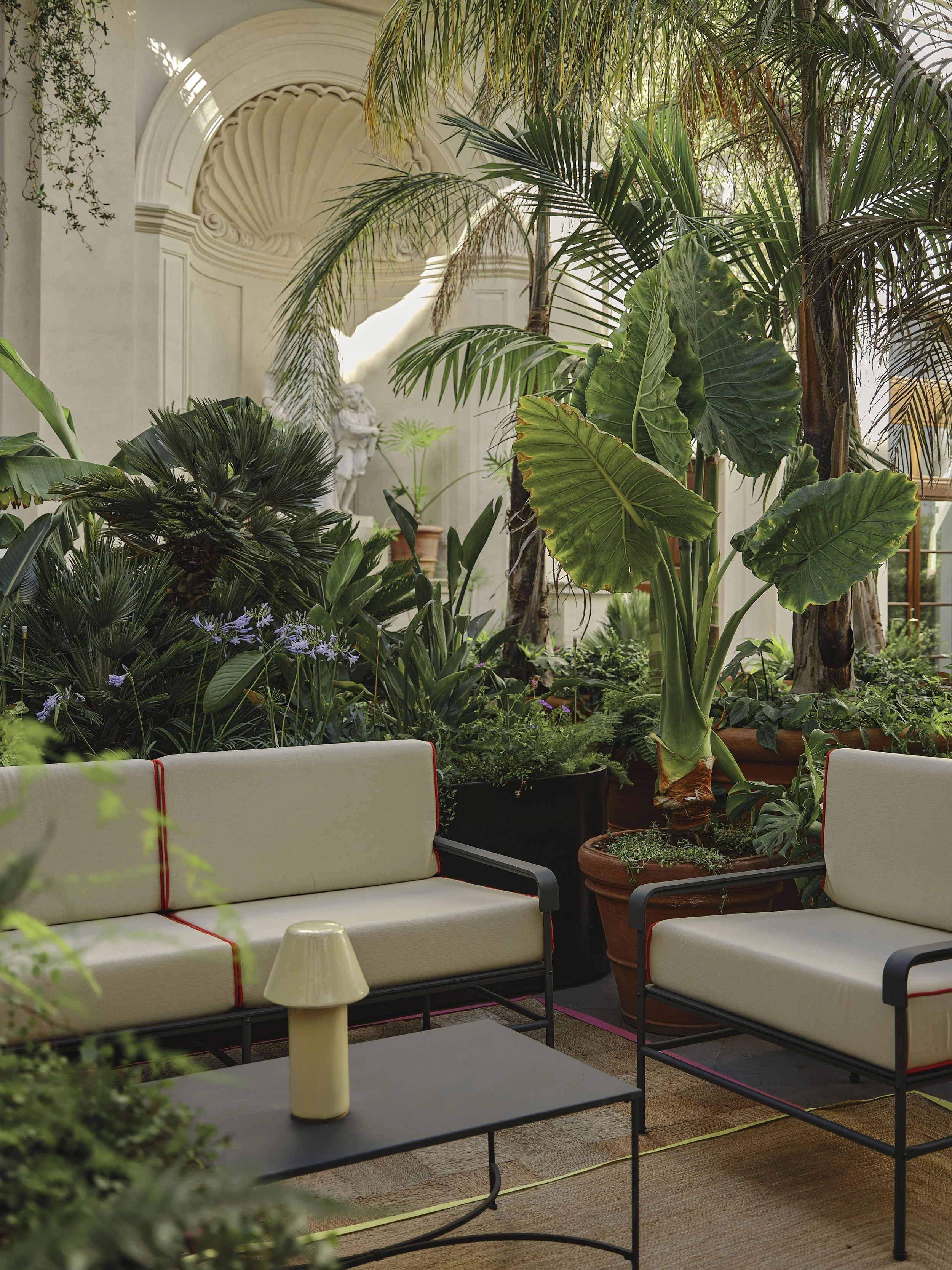
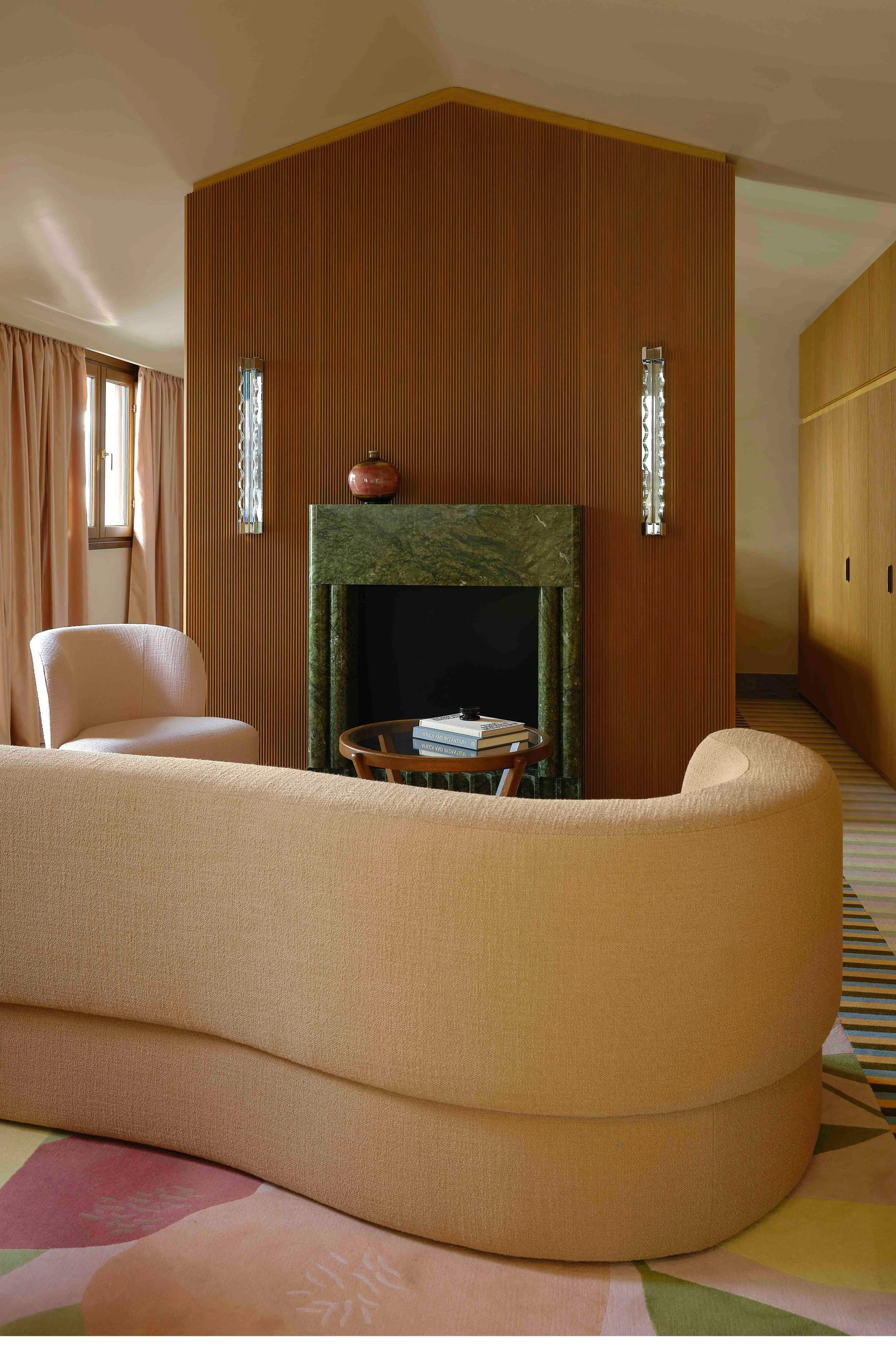
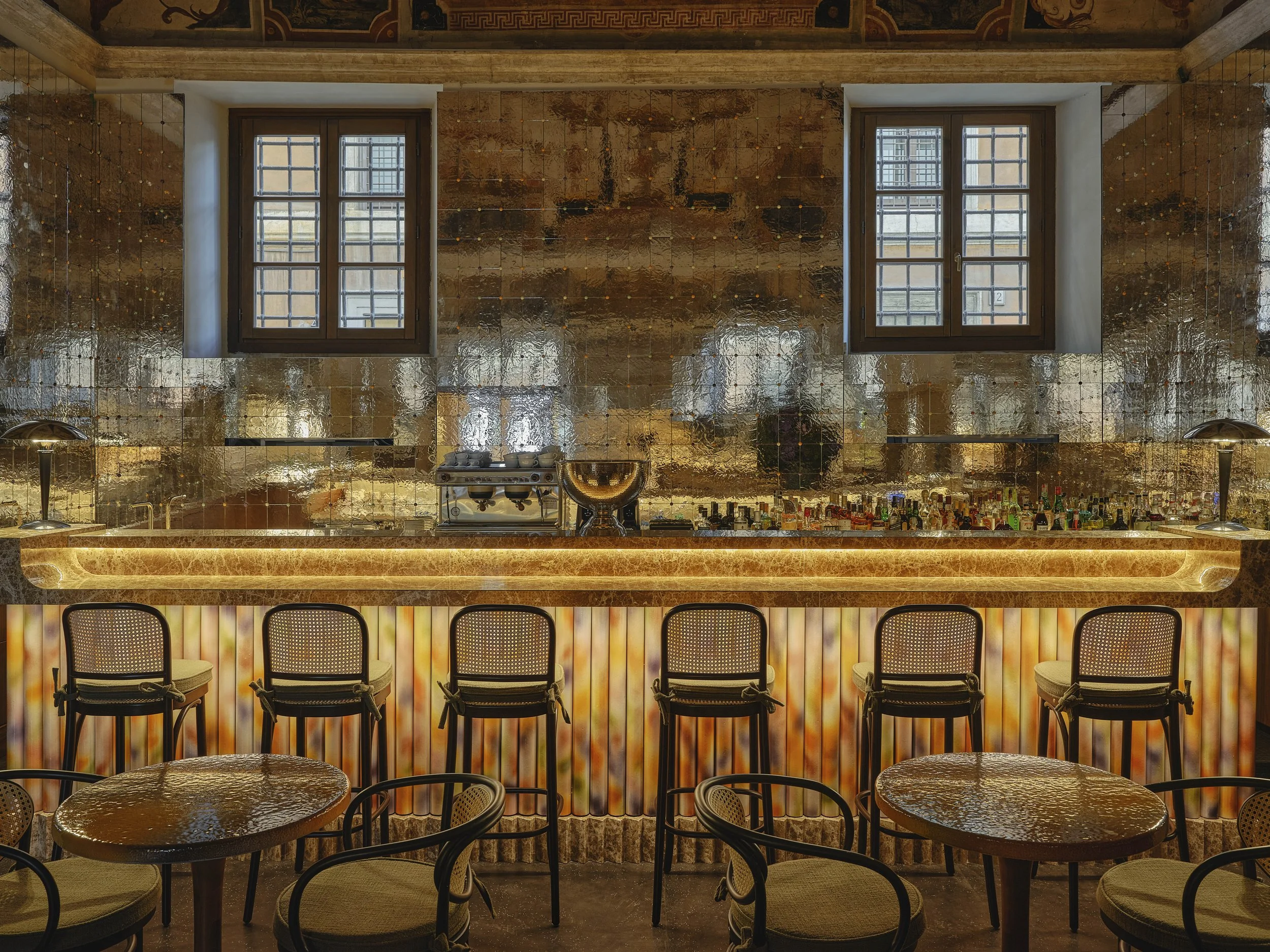
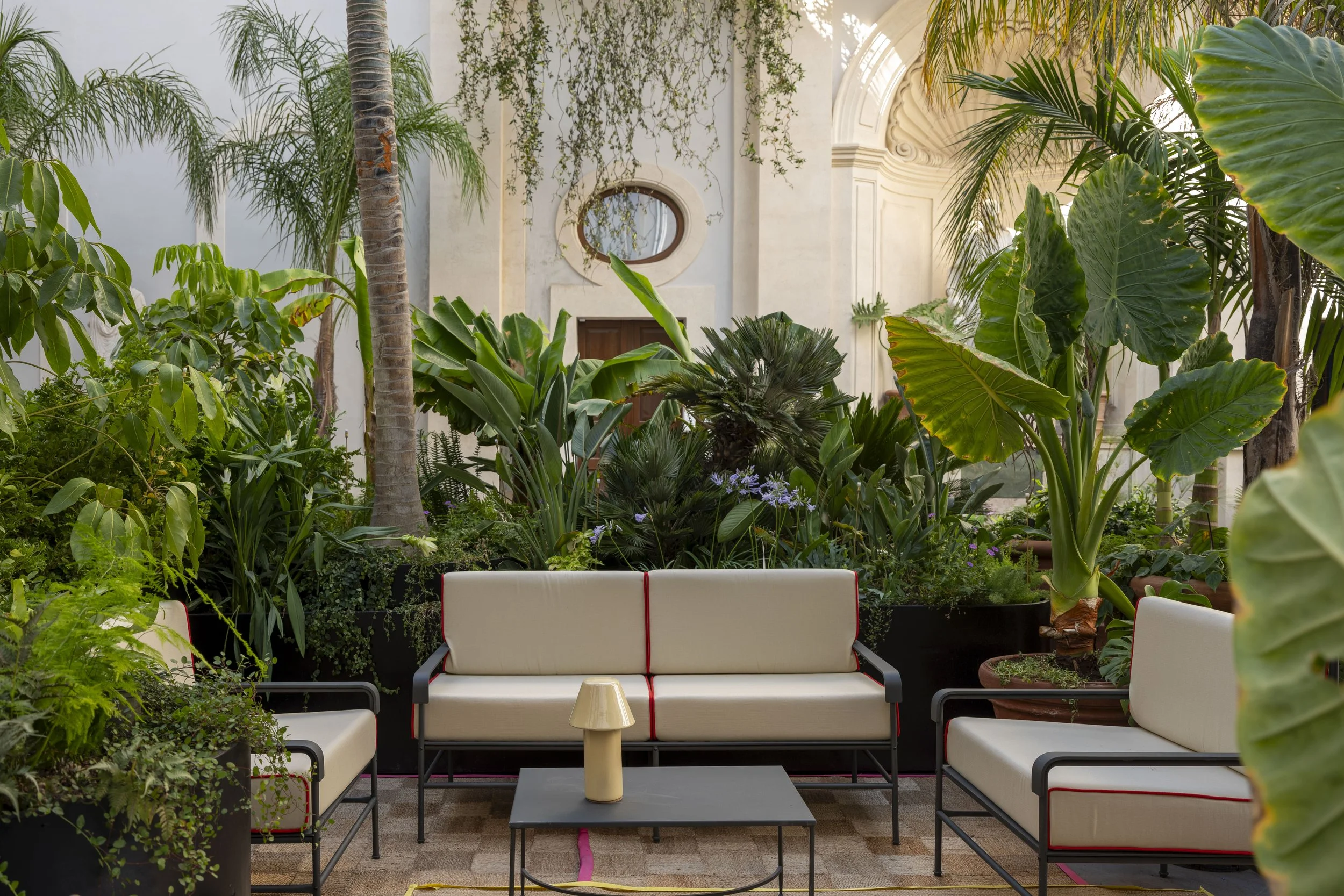
Public spaces were approached with boldness and clarity. Colour is used decisively, furniture is sculptural and bespoke, and the contrast between historic surfaces and modern insertions is intentional rather than softened. The result feels expressive, but never careless.
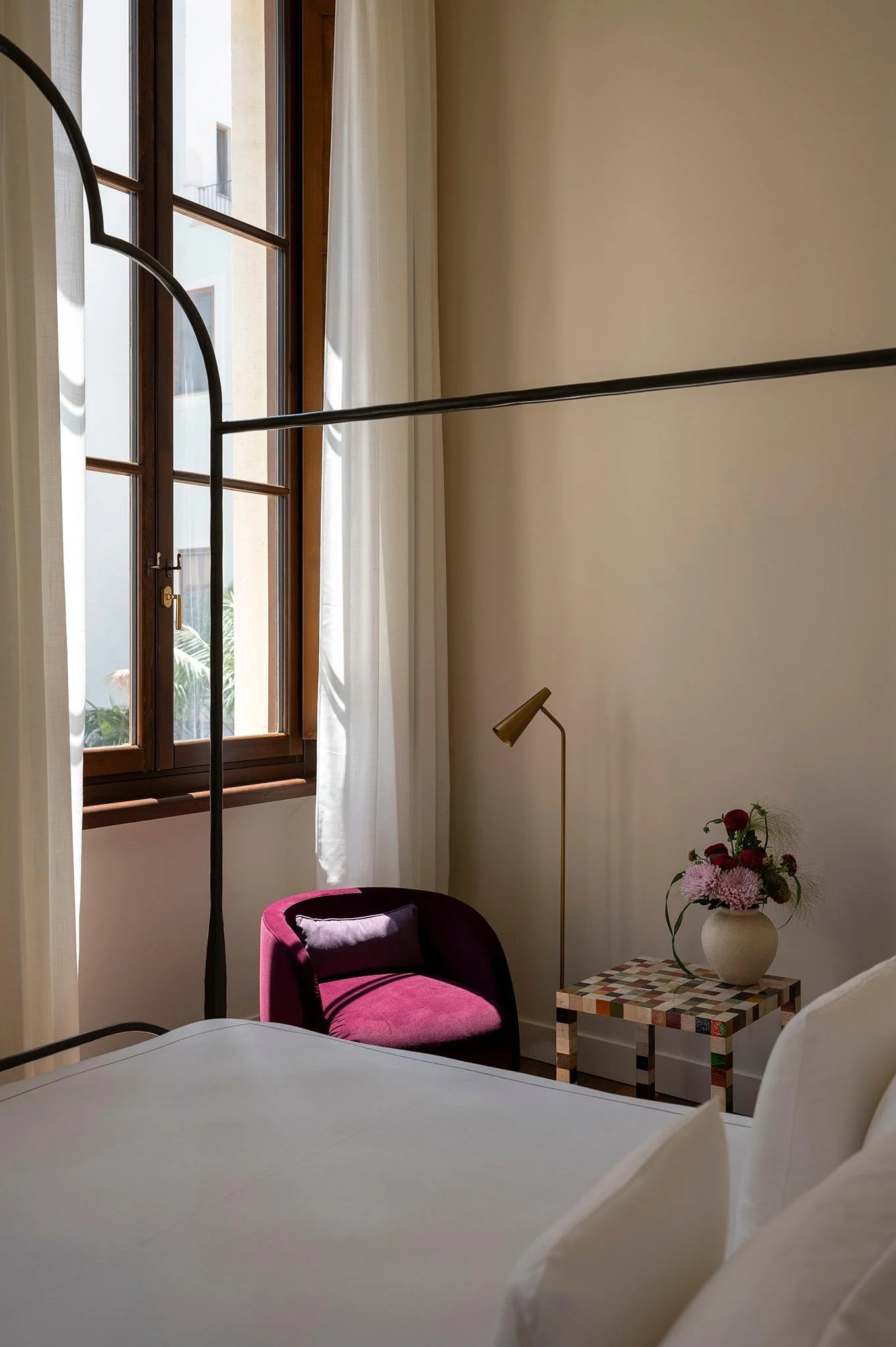
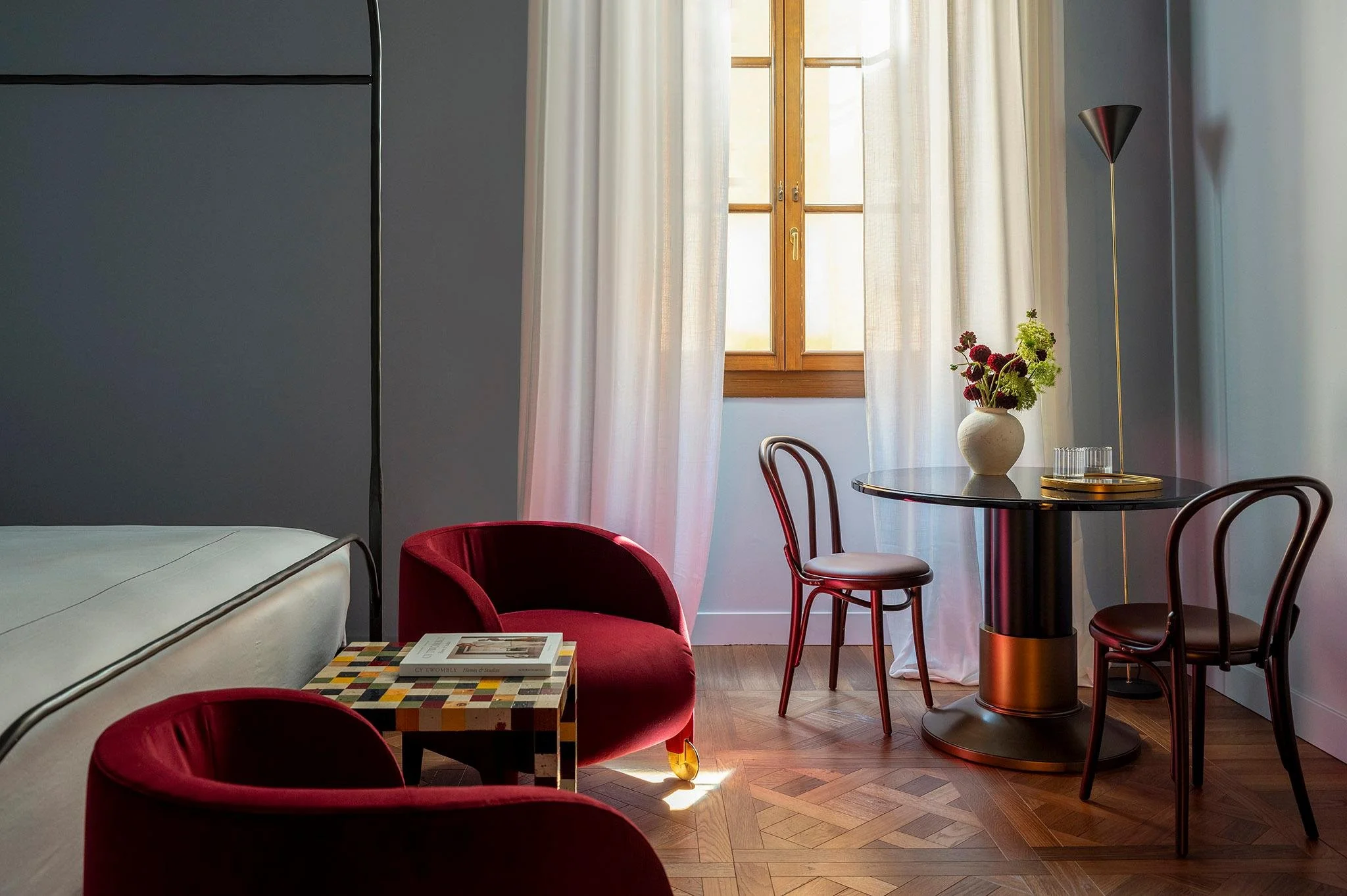
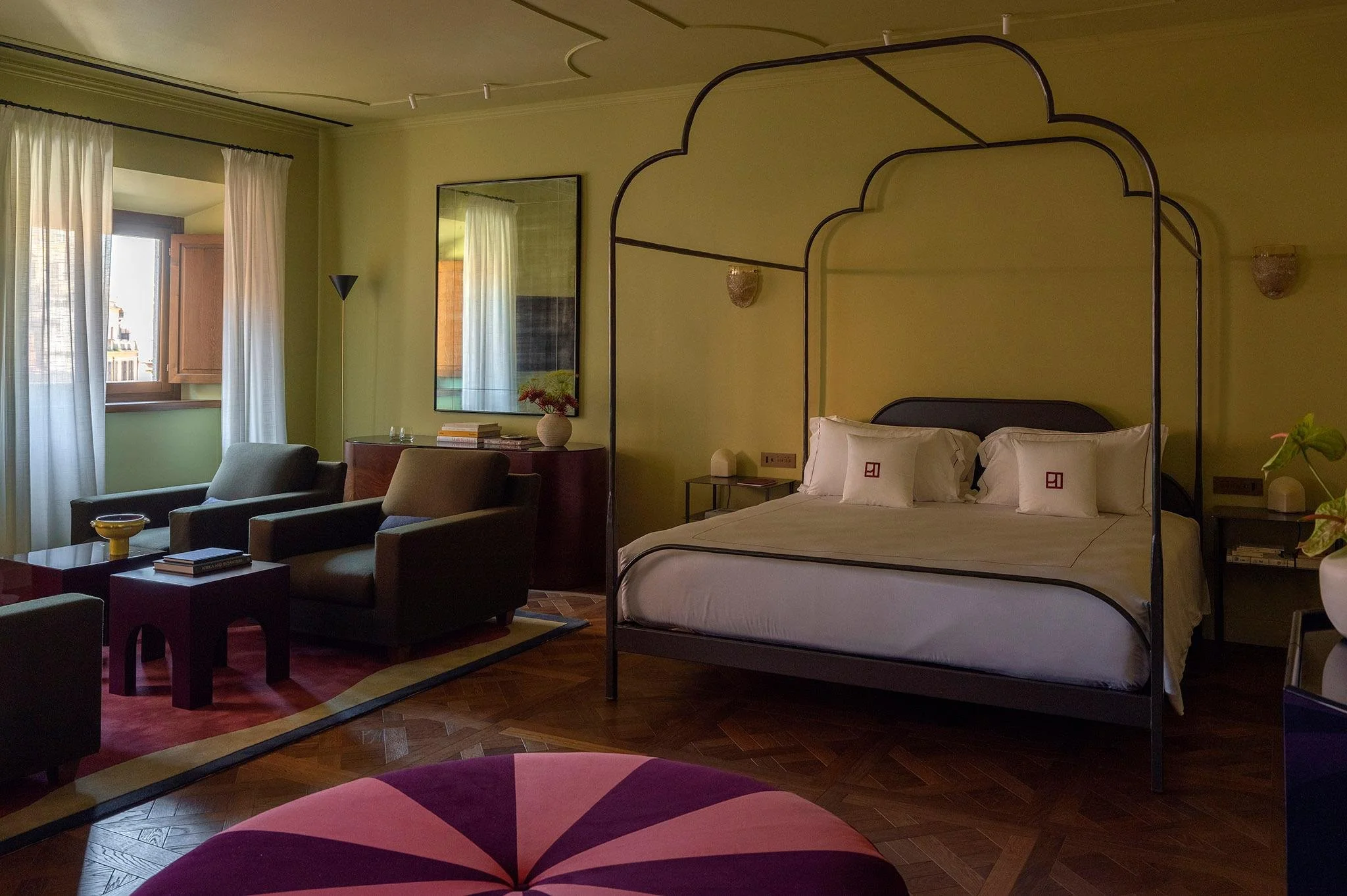
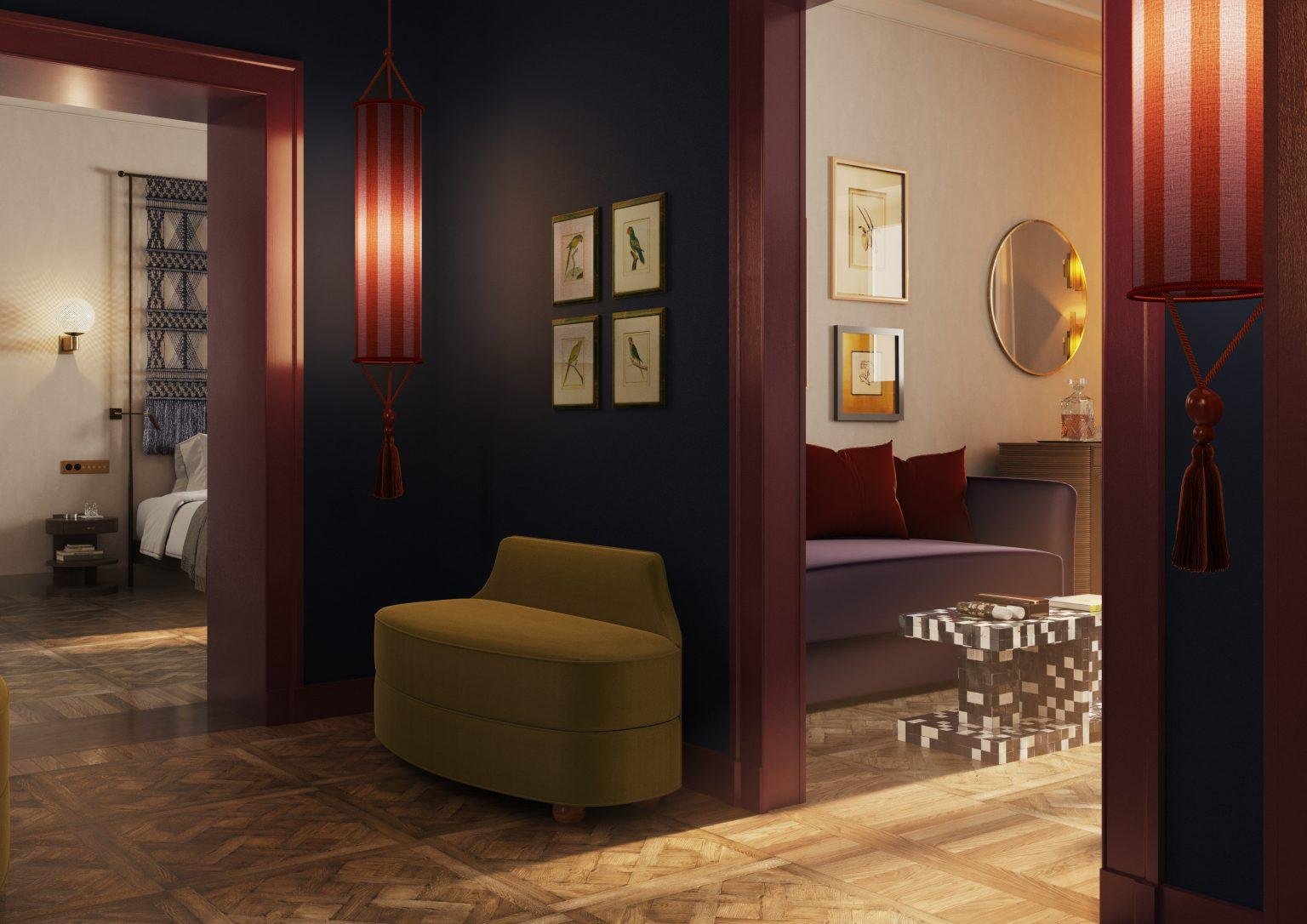
Guest rooms, by contrast, are restrained and residential in spirit. Each feels considered rather than standardised, with an emphasis on comfort, privacy and proportion. High ceilings, tactile materials and carefully judged lighting create spaces that encourage guests to slow down — a rare achievement in the historic centre.
A hotel that has found its footing
Since opening, Palazzo Talìa has performed steadily, with strong demand for its limited number of rooms and suites. Occupancy has been supported not only by international travellers but also by repeat Italian guests — often a telling indicator of local credibility.
Feedback consistently points to the balance the hotel strikes: guests appreciate the sense of calm within the building, the discretion of service, and the feeling that they are staying somewhere with substance rather than spectacle. It is frequently described as “lived-in”, “elegant without formality”, and “distinctly Roman without being themed”.
The social heart: bar and restaurant
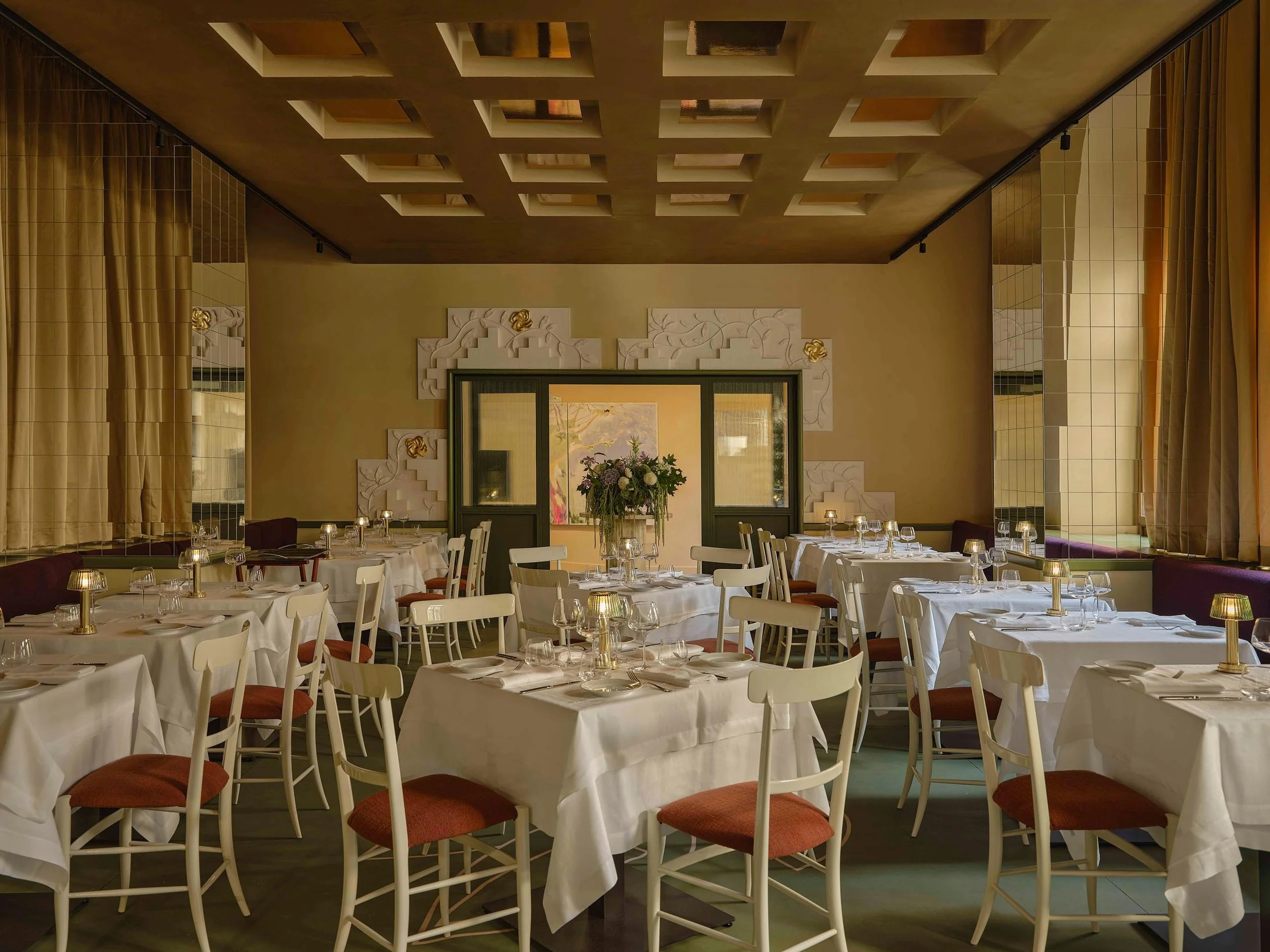
Perhaps the clearest sign of Palazzo Talìa’s success is the life of its bar and restaurant. These spaces have quickly become destinations in their own right, drawing a mix of hotel guests, Roman regulars and a discreet international crowd.
The bar, set within richly coloured historic rooms, has emerged as a popular early evening meeting place, intimate, atmospheric and unhurried. The restaurant follows the same philosophy: confident but relaxed, with a focus on conversation as much as cuisine. Importantly, these spaces feel like a continuation of the palazzo’s long social history, not an interruption of it.
The culinary direction
The kitchen is led by an Italian chef whose approach mirrors the hotel’s wider ethos. Classically trained, with deep respect for regional produce, the cooking is inspired from central and southern Italian traditions interpreted lightly, without nostalgia.
Menus favour seasonality and clarity over complexity. Ingredients are allowed to speak for themselves, and dishes feel honest, precise and well-judged for both hotel guests and local diners. It is food designed to be returned to, not merely photographed.
Why Palazzo Talìa works
Palazzo Talìa succeeds because it understands its role. It does not attempt to compete with Rome’s monuments or mimic its past. Instead, it offers a contemporary layer, one that feels confident enough to sit alongside centuries of history.
For our clients, this is a hotel that appeals to those who value architecture, atmosphere and authenticity. It suits travellers who want Rome at their doorstep, but who also want a place to retreat to, somewhere calm, thoughtful and genuinely connected to the city.
What we would highlight for clients
In practice, we guide clients on:
Room selection, particularly for longer stays
Best times to experience the bar and restaurant, when the hotel’s social energy is at its most engaging
Who Palazzo Talìa is best suited for, culturally curious travellers, couples, discreet celebrations
How to place it within a wider Roman itinerary, pairing it with galleries, dining and private experiences
WWW.ASPIRECLUB.VIP